Blockchain Pathways: Securing Virtual Transactions in Integrated Gaming and Betting Ecosystems
Xander Hansen · Jun 10, 2026
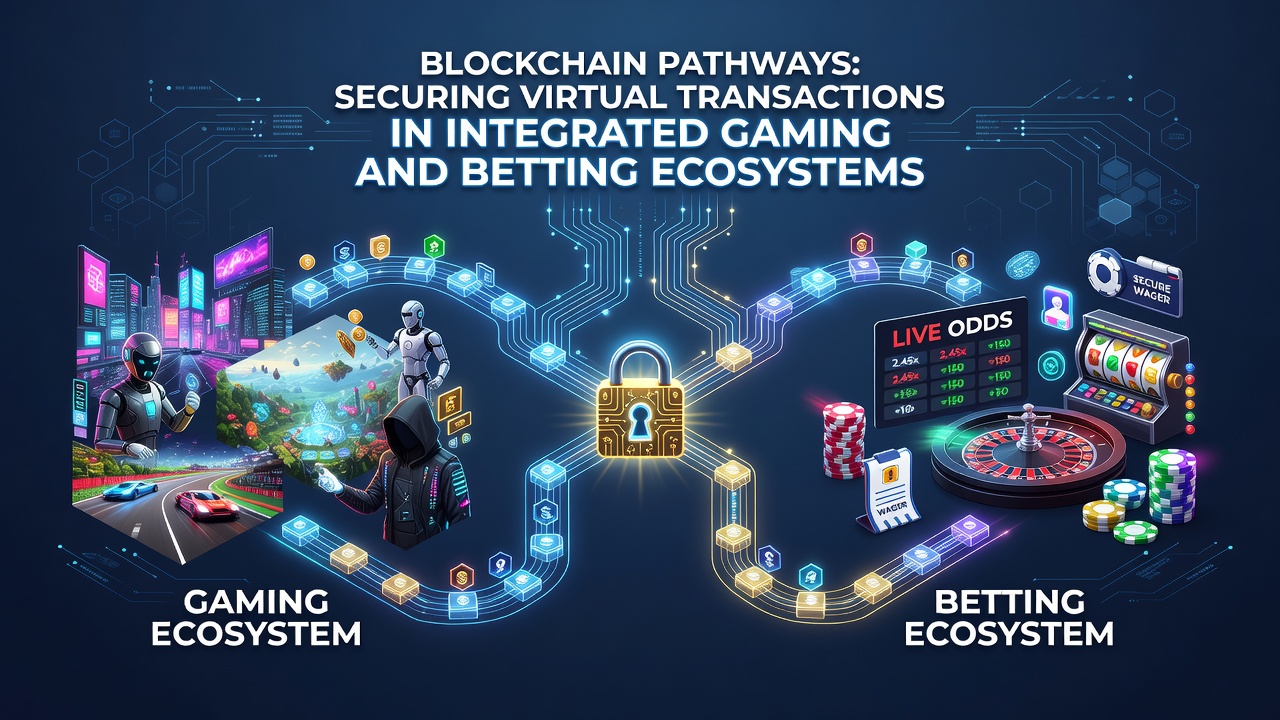
Blockchain Pathways: Securing Virtual Transactions in Integrated Gaming and Betting Ecosystems
Blockchain technology creates distributed ledger systems that record virtual transactions across gaming and betting platforms with cryptographic security protocols, and these pathways prevent unauthorized alterations while maintaining transparency for participants in integrated environments. Data from industry analyses indicates that transaction volumes in digital gaming reached new levels by early 2026, with blockchain adoption accelerating to handle cross-platform asset transfers between slot systems, sports wagers, and virtual economies.
Core Mechanisms Driving Transaction Security
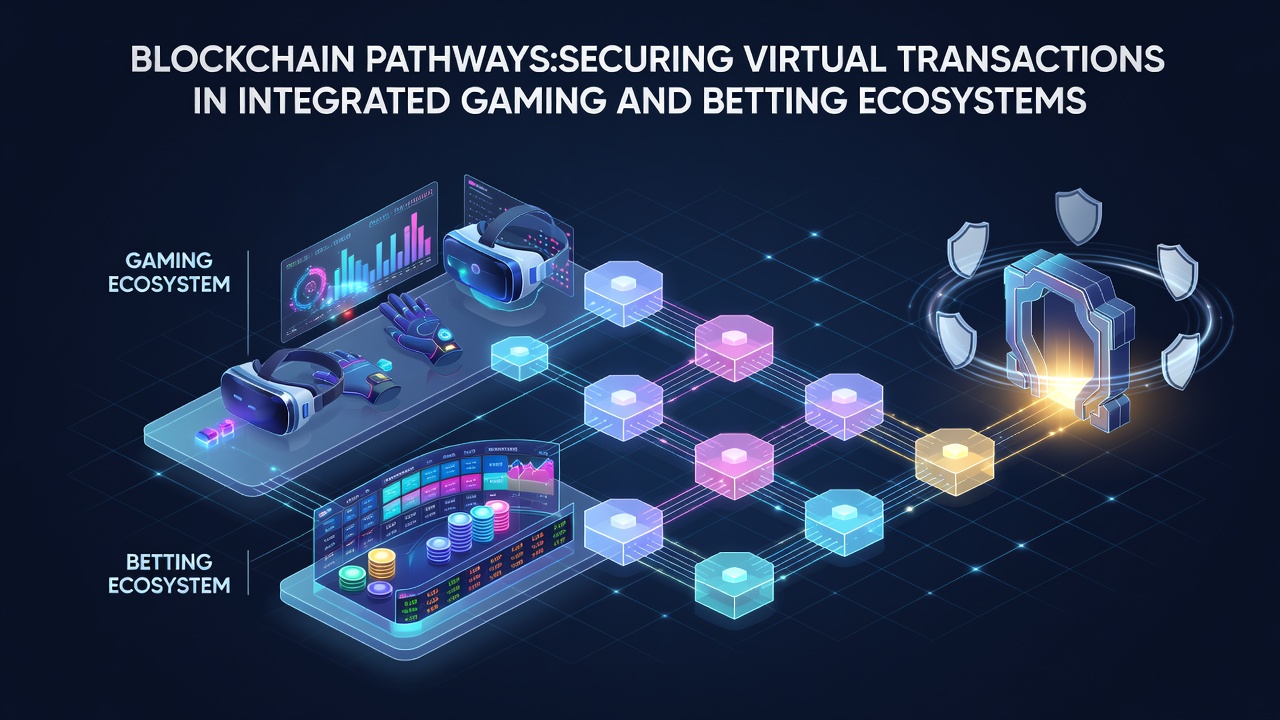
Distributed consensus algorithms validate each entry on the ledger, and this process requires multiple nodes to agree before a transaction completes, while smart contracts automate payout executions based on predefined conditions that eliminate manual intervention points where errors or fraud might occur. Cryptographic hashing links sequential blocks together, which means any attempt to modify historical records would require simultaneous changes across the entire chain, a requirement that raises computational barriers significantly higher than traditional centralized databases allow.
Researchers at various institutions have documented how public and private key pairs authenticate user identities without exposing sensitive details, and this separation supports compliance with data protection standards in multiple jurisdictions. Observers note that zero-knowledge proofs further enhance privacy by allowing verification of transaction validity without revealing underlying amounts or participant information, a feature that proves useful when gaming operators manage high-volume betting activities across borders.
Integration Across Gaming and Betting Platforms
Integrated ecosystems combine casino games with sports betting interfaces through shared blockchain backbones, and this architecture enables seamless movement of digital assets such as in-game currencies or tokenized rewards between different verticals without repeated verification delays. Tokenization converts virtual items into blockchain-based representations that carry verifiable ownership histories, while interoperability protocols allow these tokens to function across multiple operators' systems when partnerships exist.
Figures from financial technology reports reveal that settlement times for cross-border wagers have decreased from days to minutes in platforms utilizing these pathways, and the reduction stems from automated reconciliation processes embedded in the ledger structure. Gaming associations in regions like North America and Asia have tracked pilot programs where blockchain records player activity logs that support responsible gambling tools through immutable audit trails.
Regulatory Developments and June 2026 Context
By June 2026 several regulatory bodies had begun reviewing frameworks that accommodate blockchain-based transaction records for licensed operators, and these reviews focus on ensuring that distributed systems meet existing standards for financial reporting and player fund segregation. The Australian Transaction Reports and Analysis Centre has issued guidance on digital asset tracking in gambling contexts, while similar efforts in Canadian provinces examine how ledger transparency aligns with anti-money laundering requirements.
Industry organizations such as the World Lottery Association have published position papers outlining technical specifications for blockchain integration, and these documents emphasize the need for standardized oracle systems that feed external event data into smart contracts for accurate bet resolution. Data indicates that operators adopting these standards report fewer discrepancies in payout disputes, since every transaction carries a timestamped, verifiable entry accessible to authorized auditors.
Practical Applications and Emerging Patterns
One documented case involves a European operator that implemented a permissioned blockchain for managing loyalty point exchanges between its online casino and affiliated sports betting service, and the system reduced reconciliation errors by over 90 percent according to internal metrics shared with trade groups. Another example from a North American platform shows how tokenized tournament entries allow participants to trade access rights on secondary markets while the original blockchain maintains a complete chain of custody for regulatory review.
What's interesting here is how these pathways also support micro-transaction models in casual gaming environments, where players purchase small virtual goods that carry provable scarcity through non-fungible token standards. Academic studies from institutions including the University of Nevada have examined the energy consumption profiles of different consensus mechanisms, and findings suggest that proof-of-stake variants consume substantially less power than earlier proof-of-work models while retaining comparable security properties for gaming use cases.
Conclusion
Blockchain pathways continue to reshape how virtual transactions occur within combined gaming and betting ecosystems by providing immutable records, automated execution through smart contracts, and enhanced authentication methods that operate without central points of failure. As regulatory landscapes evolve through 2026 and beyond, the technology's capacity to deliver verifiable transparency while preserving operational efficiency positions it as a foundational element for future platform architectures across multiple markets.