Bridging Blockchain Settlements with Portable App Interfaces for Controlled Sports and Table Play
Freya Frank · Aug 26, 2026
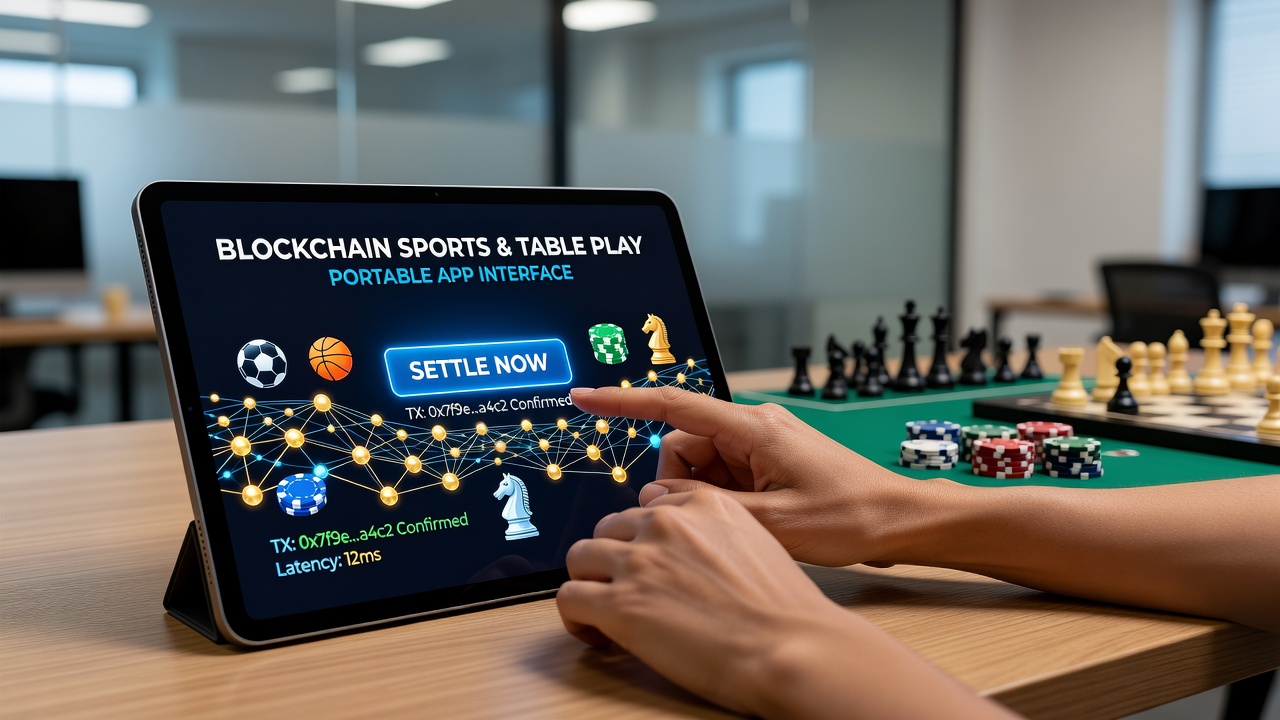
Bridging Blockchain Settlements with Portable App Interfaces for Controlled Sports and Table Play
Developments in blockchain technology continue to intersect with mobile application design as operators seek efficient ways to handle settlements in regulated sports betting and table game environments. Portable interfaces now incorporate distributed ledger systems that record transactions in real time while maintaining compliance with jurisdictional rules across multiple regions. Data from industry reports show that these integrations reduce settlement times from days to minutes in many licensed operations.
Core Components of Blockchain Settlement Systems
Blockchain networks provide immutable records of wagers and payouts which operators use to verify outcomes without relying on centralized clearinghouses. Smart contracts execute automatically once predefined conditions such as game results or event finality are met and these contracts operate within controlled frameworks that include audit trails required by regulators. Observers note that transaction fees drop significantly when operators shift from traditional banking rails to permissioned ledgers that support stablecoin transfers or tokenized assets.
Portable apps serve as the user-facing layer that connects players to these backend settlement mechanisms through secure APIs and encrypted wallets. Developers build interfaces that display real-time balance updates while embedding identity verification steps that align with know-your-customer protocols in various licensing jurisdictions. Research from academic institutions including the University of Nevada Las Vegas indicates that such layered architectures maintain data integrity even when users switch between devices during active sessions.
Regulatory Alignment in Sports and Table Play Applications
Controlled environments for sports betting and table games require that all settlement processes remain transparent and traceable to prevent disputes and fraud. Blockchain implementations allow regulators to access permissioned views of transaction histories without exposing player data beyond necessary parameters. In August 2026 several North American and European operators reported expanded testing of these systems following updates to digital asset guidelines issued by bodies such as the European Gaming and Betting Association.
Table play applications that replicate live dealer experiences now route settlement requests through the same ledger infrastructure used for sports wagers which creates unified compliance reporting across product verticals. Portable interfaces incorporate geofencing and device attestation features that ensure users remain within approved boundaries while blockchain timestamps confirm the exact moment of each bet placement and resolution. Those who have examined pilot programs note that reconciliation processes shorten because discrepancies surface immediately on the shared ledger rather than during periodic audits.
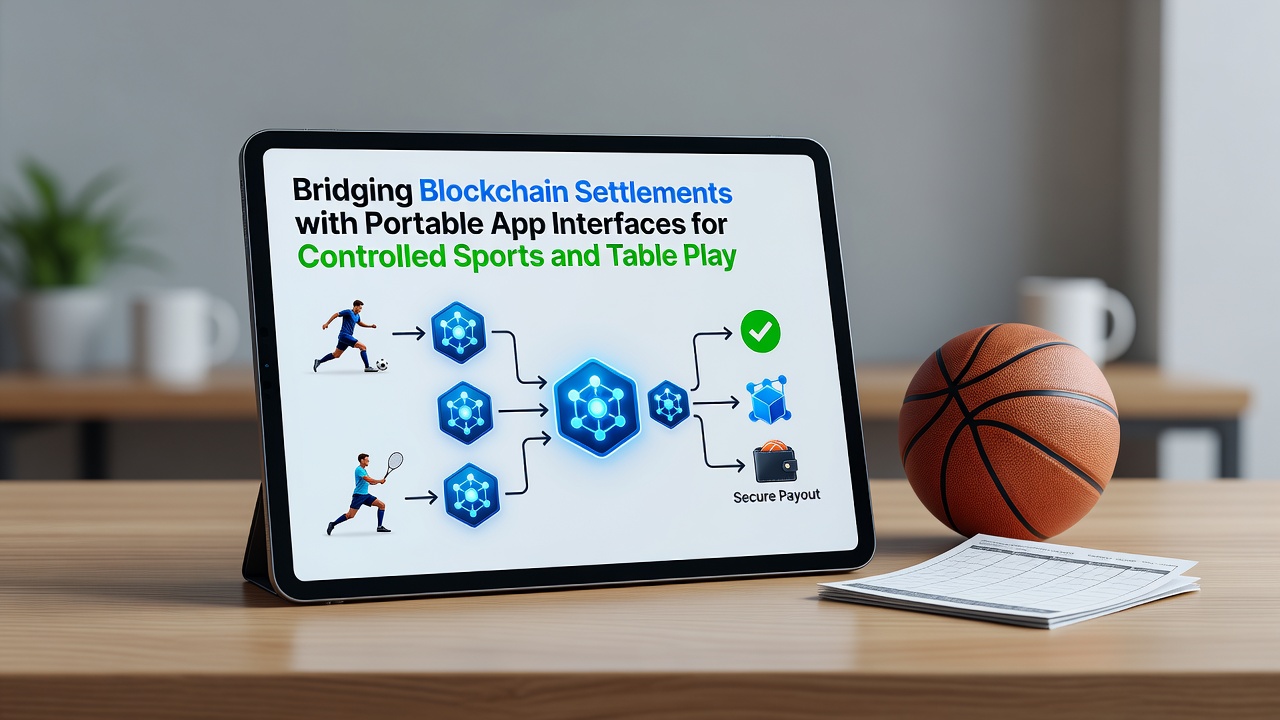
Technical Integration Patterns Observed in 2026
Operators combine off-chain computation for game logic with on-chain settlement for final payouts which balances speed and security. Portable apps cache temporary data locally yet push outcome proofs to the blockchain once events conclude and this hybrid approach supports high-frequency table game rounds without overwhelming network capacity. Figures from technology vendors reveal that average confirmation times for cross-border settlements fell below thirty seconds in production environments by mid-2026.
Interoperability standards allow different blockchain protocols to communicate settlement details when players move between sports markets and table game offerings within the same application. Developers embed oracle services that feed verified external data such as sports results or random number generator outputs directly into smart contracts which eliminates manual intervention. Studies conducted by research groups affiliated with the University of Sydney highlight that these oracle integrations reduce settlement disputes by measurable margins in controlled testing scenarios.
Security and User Experience Considerations
Encryption layers surround wallet connections within portable interfaces so private keys never leave user devices during routine operations. Multi-signature requirements and role-based access controls further protect operator-controlled funds while still permitting instant player withdrawals once conditions clear. Security audits conducted at regular intervals verify that these measures meet or exceed standards set by gaming control authorities in active markets.
Users encounter simplified dashboards that abstract the underlying blockchain processes yet still provide optional transaction explorers for those who seek verification. Push notifications alert participants when settlements finalize and integrated chat or support modules allow quick resolution of edge cases without leaving the application environment. Patterns emerging from deployment data show increased session retention when settlement visibility improves through these interface refinements.
Conclusion
Blockchain settlements paired with portable app interfaces continue to reshape how regulated sports and table play operators manage payouts and compliance. The combination delivers faster reconciliation, stronger audit capabilities, and consistent user experiences across devices while adhering to evolving regulatory expectations. As testing expands through 2026 and beyond, the documented efficiencies suggest further adoption across additional jurisdictions seeking to modernize settlement infrastructure.