Decoding Blockchain Settlement Layers for Hybrid Slot and Sports Wager Payouts
Uma Schmitt · Jul 29, 2026
Decoding Blockchain Settlement Layers for Hybrid Slot and Sports Wager Payouts
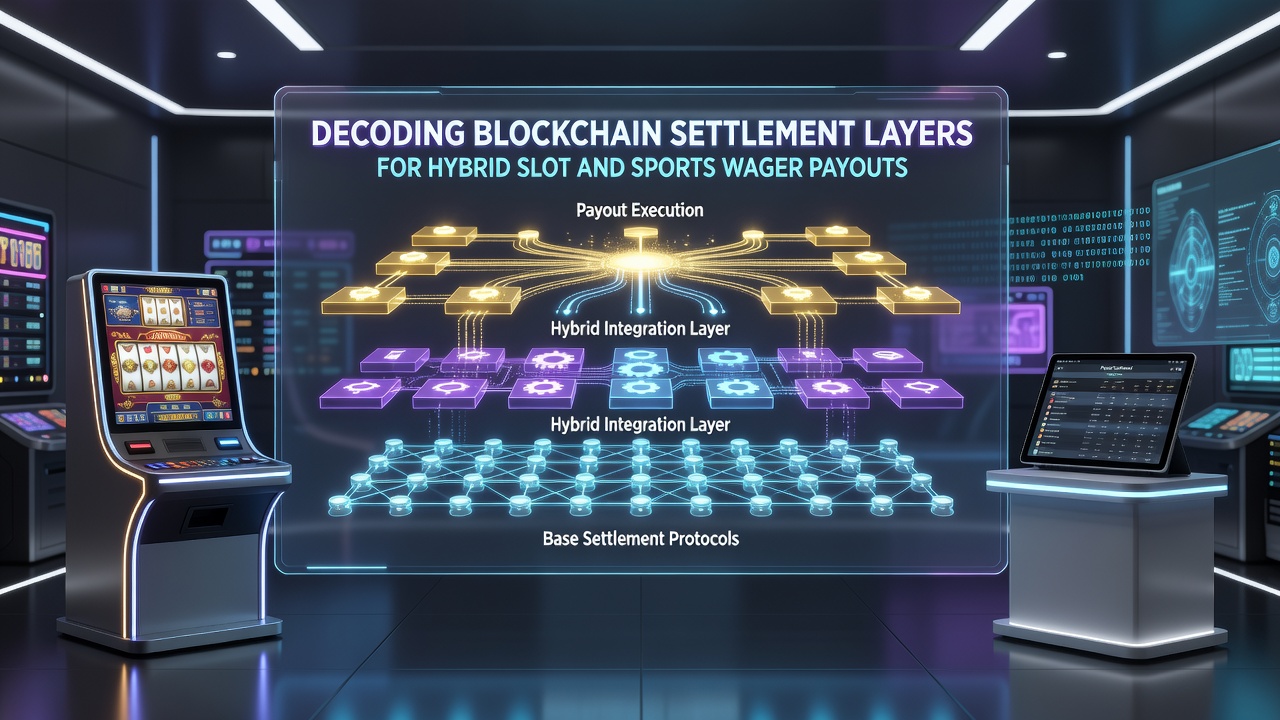
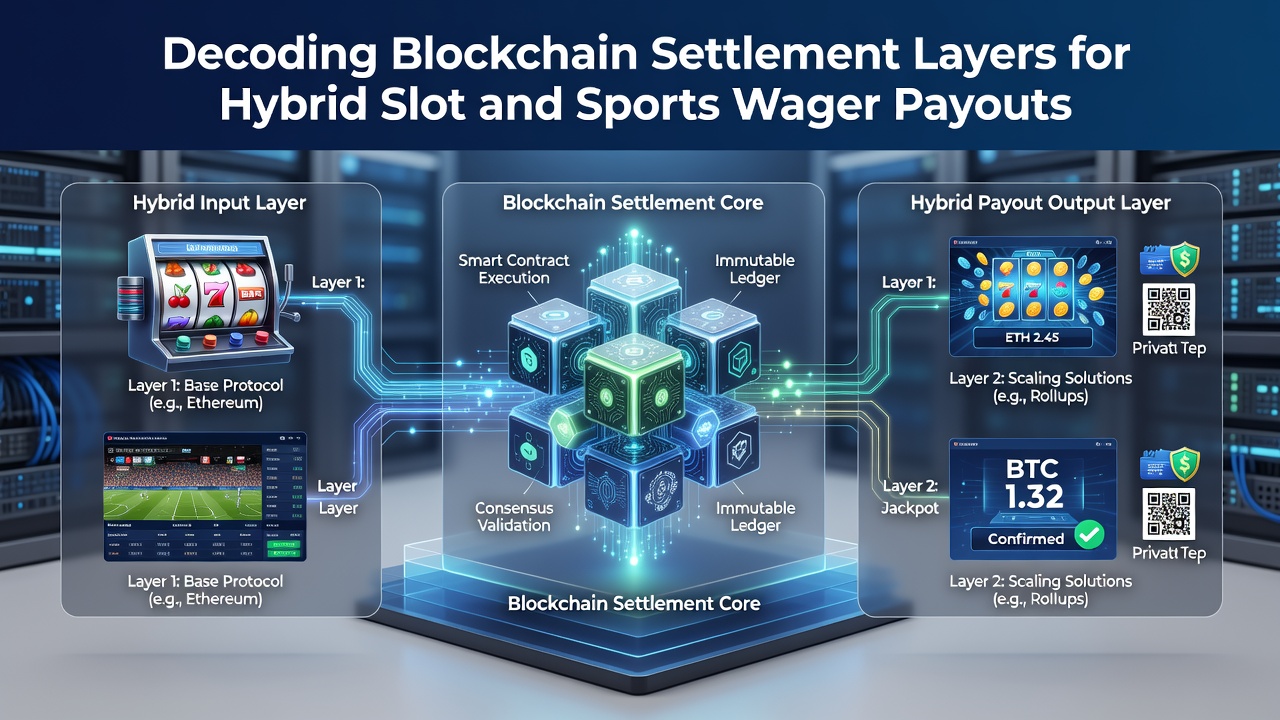
Blockchain settlement layers operate as the infrastructure that processes and finalizes transactions once wagers resolve, and operators in hybrid environments now combine slot machines with sports betting on single platforms where these layers handle both random outcomes and event-based results through unified protocols. Research from industry analysts shows that Layer 1 blockchains provide base security while Layer 2 solutions add speed and reduced costs, creating pathways for instant or near-instant payouts across game types.
Core Components of Settlement Layers
Settlement begins when a wager concludes, whether through a slot reel stop or a sports event finish, and the chosen layer records the outcome on-chain while triggering fund transfers. Data from multiple operators indicates that protocols such as those built on Ethereum or Solana ecosystems use smart contracts to automate verification, removing manual reconciliation steps that once delayed player withdrawals by days. Observers note that hybrid setups demand compatibility between random number generators for slots and oracle feeds for sports data, since both must feed into the same settlement pipeline without conflicts.
Layer 2 rollups batch multiple transactions before anchoring them to the main chain, which cuts fees and increases throughput during peak betting periods. Figures from platform deployments reveal that this approach supports thousands of concurrent slot spins alongside live sports markets, maintaining consistency even when volumes spike. Experts tracking adoption point out that sidechains and state channels offer alternative routes for high-frequency micro-transactions common in digital reels and quick in-play sports bets.
Integration with Hybrid Gaming Platforms
Hybrid platforms merge slot libraries with sportsbooks so players move between games without switching accounts or wallets, and blockchain layers enable this fluidity by settling all activity through shared ledgers. In July 2026 several operators expanded these systems to include multi-asset support, allowing payouts in stablecoins or native tokens depending on user preference. According to records maintained by the New Jersey Division of Gaming Enforcement, regulated entities must demonstrate that settlement mechanisms meet audit standards for both game fairness and financial finality.
Take one deployment where a European operator connected its slot cluster system to a sports wager engine via a single settlement contract, and researchers documented reduced dispute rates because every outcome remained visible on the public ledger. The same setup uses threshold signatures and multi-party computation to authorize large payouts, which adds security layers without slowing smaller routine settlements. Industry reports from the Asia-Pacific region highlight similar patterns, where operators in regulated markets leverage these layers to comply with local currency controls while still offering cross-border crypto options.
Performance Metrics and Operational Realities
Transaction finality times vary by layer choice, with some Layer 2 networks achieving confirmation in under two seconds while others prioritize deeper security at slightly longer intervals. Platform telemetry collected across multiple jurisdictions shows that hybrid operators achieve average payout completion rates above ninety-five percent within the first minute after event resolution. Yet scalability remains a consideration when thousands of users place simultaneous bets during major sports events or progressive slot jackpots.
Smart contract audits conducted by independent firms help identify vulnerabilities before deployment, and regulatory filings from Canadian provincial bodies require documentation of these reviews. Operators also maintain off-chain databases for user interfaces while the blockchain serves as the immutable record for all financial movements, creating a dual system that balances speed with transparency. Data indicates that this architecture reduces reconciliation errors between slot and sports divisions that previously required separate teams.
Regulatory and Technical Considerations
Regulators across different regions evaluate blockchain settlement through the lens of player protection and financial integrity rather than the underlying technology itself. The Australian Transaction Reports and Analysis Centre has issued guidance on monitoring crypto flows from gaming platforms, which influences how operators structure their Layer 2 choices. Academic papers from institutions studying distributed ledger applications in finance note that hybrid gaming introduces unique oracle dependency risks, since sports results must arrive accurately before settlement triggers.
Testing environments now simulate combined loads from slot RNG calls and live sports data streams to verify that settlement queues do not backlog. Those who've implemented these systems report that modular designs allow swapping one settlement layer for another as newer protocols emerge, preserving existing game logic. Geographic diversity in regulatory approaches means operators often maintain separate wallets or sub-chains for different jurisdictions to satisfy varying reporting requirements.
Conclusion
Blockchain settlement layers continue to evolve as hybrid slot and sports platforms scale, with Layer 2 advancements providing the throughput needed for mixed gaming environments. Operators integrate these systems through audited contracts and oracle connections that maintain consistency across game categories. Regulatory bodies in multiple regions track these developments to ensure compliance while the underlying infrastructure matures. As adoption widens, the focus remains on verifiable finality and operational resilience across both slot mechanics and sports outcomes.