Decoding Player Retention Through Layered Incentive Models in Portable Wagering Ecosystems
Xander Hansen · Aug 2, 2026
Decoding Player Retention Through Layered Incentive Models in Portable Wagering Ecosystems
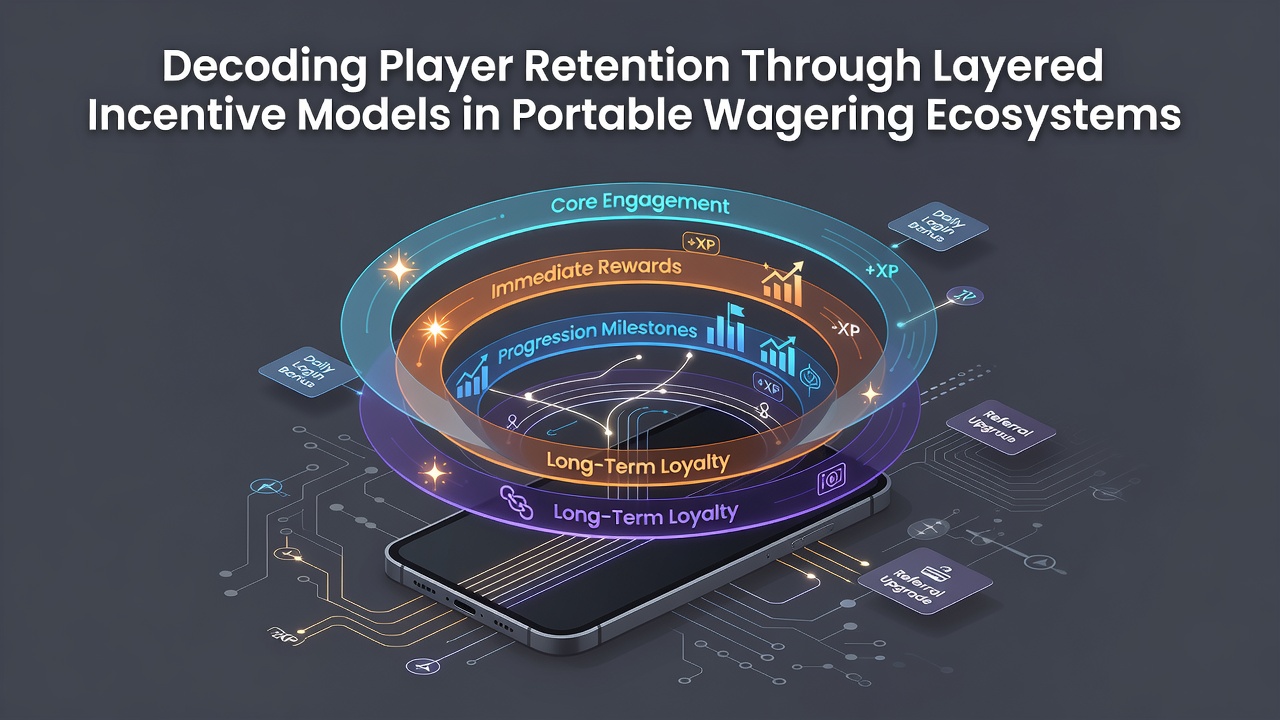
Portable wagering ecosystems rely on layered incentive models to maintain user engagement across mobile platforms, where operators structure rewards in progressive tiers that adapt to individual play patterns and session lengths. These systems combine immediate bonuses with long-term loyalty structures, drawing from data on deposit frequency, wager volume, and game variety to adjust offerings in real time. Observers note that such models emerged as a response to high churn rates in early mobile betting apps, where users often abandoned platforms after initial sign-up bonuses expired.
Core Components of Layered Incentive Structures
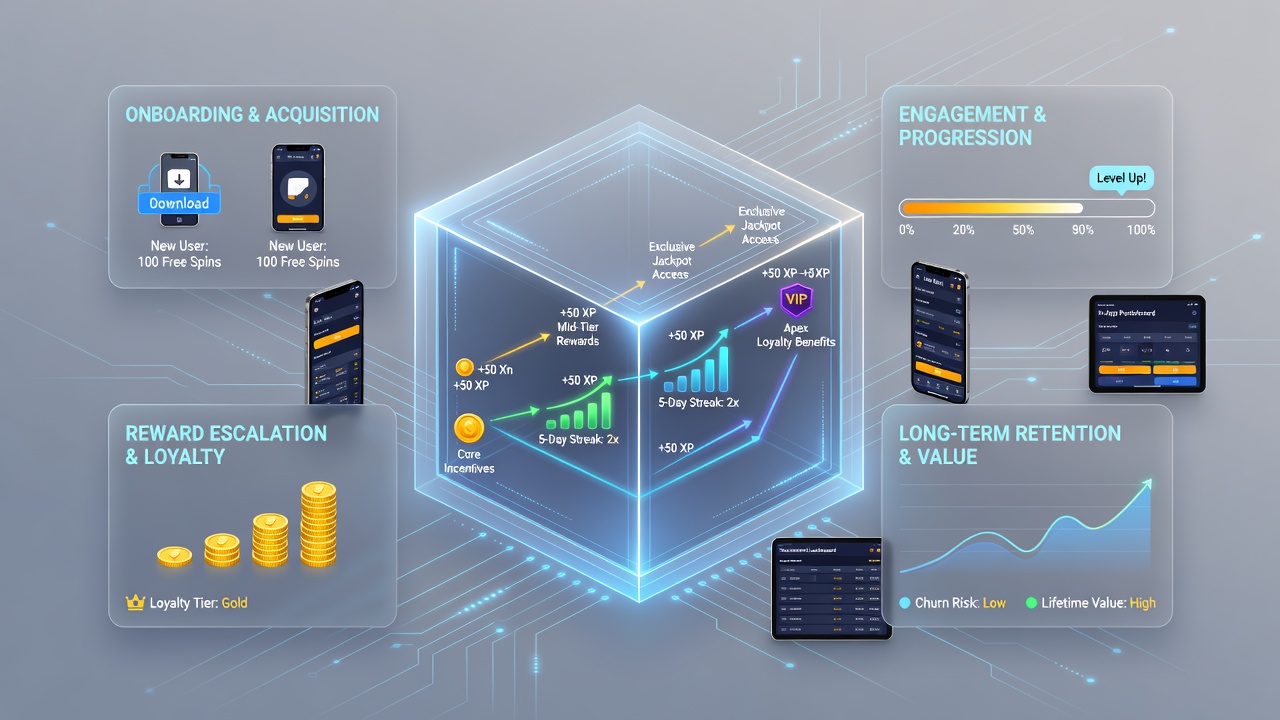
Layered models typically start with entry-level rewards like deposit matches or free spins that activate upon first interaction, then escalate to personalized multipliers based on cumulative activity tracked through app analytics. Mid-tier benefits include cashback percentages scaled to weekly losses while top layers offer exclusive access to events or higher payout rates reserved for sustained participants. Researchers at institutions tracking digital gaming trends have documented how these layers integrate with push notifications and in-app progress trackers to encourage return visits without overwhelming the interface. Data from multiple operators indicates retention improvements when incentives align with user-selected preferences rather than generic promotions.
Integration with Mobile-Specific Features
Mobile environments enable seamless tracking of location-based triggers, device usage patterns, and time-of-day activity that feed directly into incentive algorithms. Operators deploy geofencing to unlock region-specific bonuses during travel or events, while battery and connectivity data help optimize reward delivery to avoid session interruptions. In August 2026, several platforms updated their systems to incorporate biometric login data for faster tier progression verification, reducing friction for frequent users. This approach connects with broader ecosystem tools such as unified wallets that carry balances and reward points across sports betting and casino-style games on the same app.
Studies from academic groups focusing on behavioral economics in digital platforms reveal that users respond more consistently to hybrid incentives blending virtual currency with real-money equivalents. One analysis of North American operators showed layered systems increasing average session duration by correlating reward unlocks with achievement milestones rather than pure spend thresholds. Canadian regulatory filings highlight similar patterns in provincial iGaming markets, where operators must report retention metrics tied to incentive transparency requirements.
Data Patterns and Retention Metrics
Industry reports compiled by the American Gaming Association track how portable platforms segment users into retention cohorts based on incentive response rates, revealing stronger performance when models incorporate both short-term streaks and seasonal challenges. Figures from these reports show operators achieving measurable lifts in monthly active users after introducing dynamic tier adjustments that respond to external factors like major sporting events. External research from the University of Nevada, Las Vegas gaming laboratory further examines how portable ecosystems balance incentive costs against lifetime value projections, noting successful cases where reward layers reduced voluntary churn without inflating bonus liabilities.
European operators operating under frameworks from bodies like the Malta Gaming Authority have published aggregated data on incentive effectiveness across borders, emphasizing compliance features that log every reward distribution for audit purposes. These disclosures demonstrate that layered models perform differently across age groups, with younger users favoring immediate, gamified unlocks while established participants prioritize accumulation toward premium status levels. Observers tracking these trends point to the role of A/B testing in refining layer thresholds, where small adjustments in unlock requirements produce measurable shifts in return rates.
Challenges in Implementation and Measurement
Portable wagering systems face technical hurdles when synchronizing incentive layers across operating systems and network conditions, particularly during peak traffic periods around live events. Fraud detection layers must operate alongside reward engines to prevent exploitation through multiple accounts or manipulated activity signals. Regulatory updates in various jurisdictions now require clearer disclosure of how personal data informs incentive personalization, affecting how operators communicate model mechanics to users. Australian government reports on digital gambling platforms document ongoing refinements in these areas, with emphasis on responsible play integrations that cap reward acceleration for identified at-risk patterns.
Future Directions in Incentive Layering
Developments in portable ecosystems point toward greater use of predictive analytics that anticipate user drop-off points and preemptively adjust incentive layers. Integration with emerging payment rails allows for instant reward redemptions that maintain momentum within a single session. Those monitoring the space note continued experimentation with social features, where group-based challenges unlock collective bonuses while preserving individual progression paths. Such evolutions build on existing foundations without disrupting established retention frameworks already deployed across major mobile operators.
Conclusion
Layered incentive models continue to shape retention strategies in portable wagering by combining immediate engagement tools with sustained progression systems tailored to mobile user behaviors. Data from regulatory filings and industry analyses demonstrate measurable impacts on session metrics and user longevity when these layers adapt dynamically to tracked activity. As platforms evolve through 2026 and beyond, the focus remains on transparent, compliant implementations that align reward structures with documented user patterns across diverse regions.