Decoding Regulatory Influences on Hybrid Reward Systems Linking Digital Slots and Sports Wagers
Uma Schmitt · Sep 1, 2026
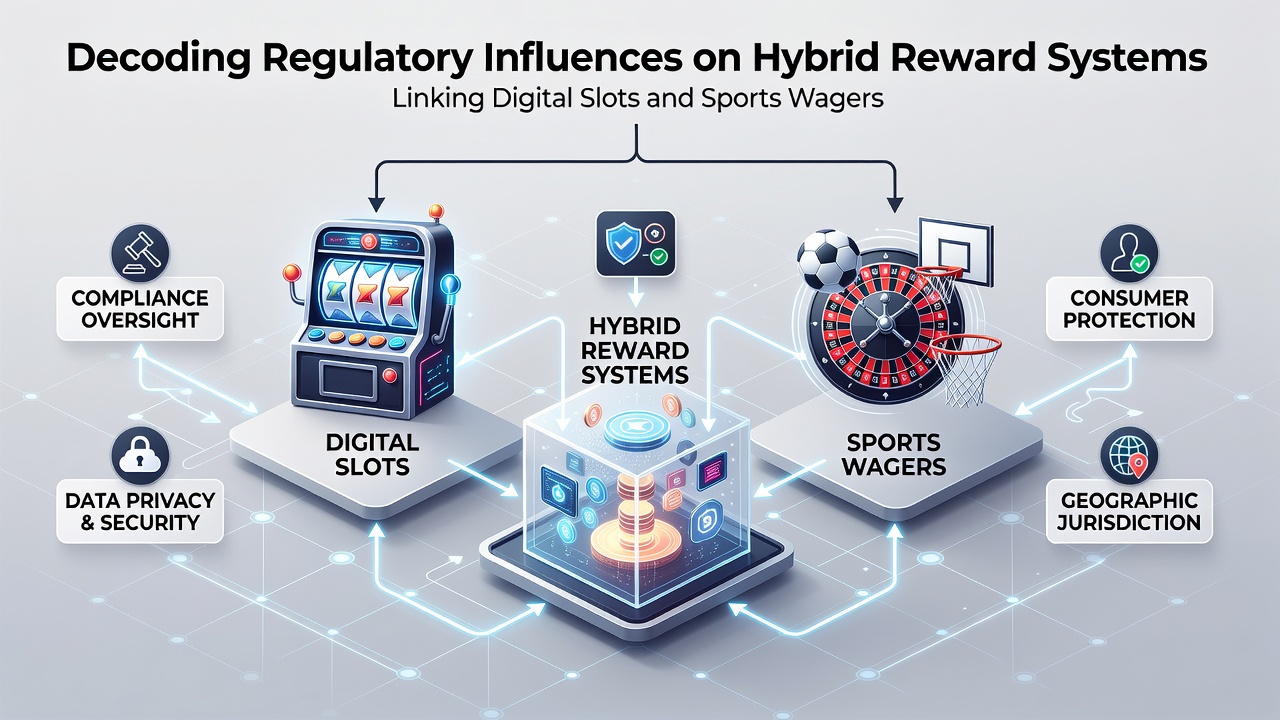
Decoding Regulatory Influences on Hybrid Reward Systems Linking Digital Slots and Sports Wagers
Regulatory bodies across different regions continue to shape how operators design hybrid reward systems that connect digital slots activity with sports wager tracking, and these frameworks often require separate licensing for each vertical even when rewards flow between them. In many markets operators must maintain distinct player ledgers for slot-based points and sports betting outcomes, yet integrated apps now allow seamless redemption across both, which creates new compliance layers around data segregation and cross-promotion rules.
Core Components of Hybrid Reward Structures
Hybrid systems typically award loyalty points based on wager volume from slots and sports bets, then convert those points into bonuses, free plays, or cashback that players access through unified mobile interfaces. Data shows that operators track session metrics separately for regulatory reporting, while the front-end experience merges the two categories into single progress bars and tier levels. Those who've studied these platforms note that real-time synchronization must still respect jurisdiction-specific caps on bonus values tied to each product type.
Regional Regulatory Variations and Their Effects
North American regulators have introduced specific guidance on how rewards earned in one vertical transfer to another, and in September 2026 several state gaming commissions updated their technical standards to require audit trails that isolate sports wager contributions from slot play contributions. European authorities, including those operating under the Malta Gaming Authority, enforce similar separation rules that affect how cross-category promotions reach players in licensed markets. Observers note that these requirements often push operators to build modular backend systems capable of toggling reward eligibility based on a player's registered location and product access.
Canadian provincial frameworks add another layer by mandating that sports betting rewards comply with different tax reporting thresholds than slot-based incentives, and this distinction influences how hybrid programs calculate and display player balances. Research indicates that operators active in multiple provinces maintain separate compliance teams to monitor these differences, which in turn affects the pace at which unified loyalty features roll out across borders.
Data Handling and Responsible Gaming Mandates

Hybrid reward platforms collect detailed behavioral data from both slots and sports wagering, and regulators require that this information stays segmented when used for marketing or risk assessment. According to reports from the Nevada Gaming Control Board, operators must demonstrate that reward algorithms do not inadvertently encourage excessive play across product categories through combined point multipliers. Those who've examined compliance filings find that responsible gaming tools, such as deposit limits and self-exclusion flags, apply uniformly across the hybrid ecosystem even when the underlying regulations differ by vertical.
Industry associations like the European Gaming and Betting Association have published position papers outlining best practices for maintaining player privacy while enabling cross-product reward tracking, and these documents highlight the need for explicit consent mechanisms at each integration point. Figures from recent audits reveal that successful programs embed these consent flows directly into account creation rather than treating them as separate steps.
Technical Compliance and Audit Requirements
Operators building hybrid systems must submit software documentation that maps every reward transaction path between slots and sports modules, and regulators review these maps during licensing renewals to verify that no unauthorized cross-subsidization occurs. In practice this means maintaining version-controlled code repositories that auditors can access on demand, along with automated logging of any point transfers that cross product boundaries. What's interesting is how smaller operators often partner with established platform providers to meet these technical thresholds more efficiently than building custom solutions from scratch.
Conclusion
Regulatory influences on hybrid reward systems continue to evolve as digital slots and sports wagering converge within single player accounts, and operators respond by refining their technical architectures and compliance processes to match shifting requirements across jurisdictions. The result is a landscape where reward integration offers clear player benefits while still operating within clearly defined legal boundaries that protect both consumers and market integrity.