Exploring Crypto Trails Linking Portable Sports Wagers to Built-In Spending Safeguards
Uma Schmitt · Jun 7, 2026
Exploring Crypto Trails Linking Portable Sports Wagers to Built-In Spending Safeguards
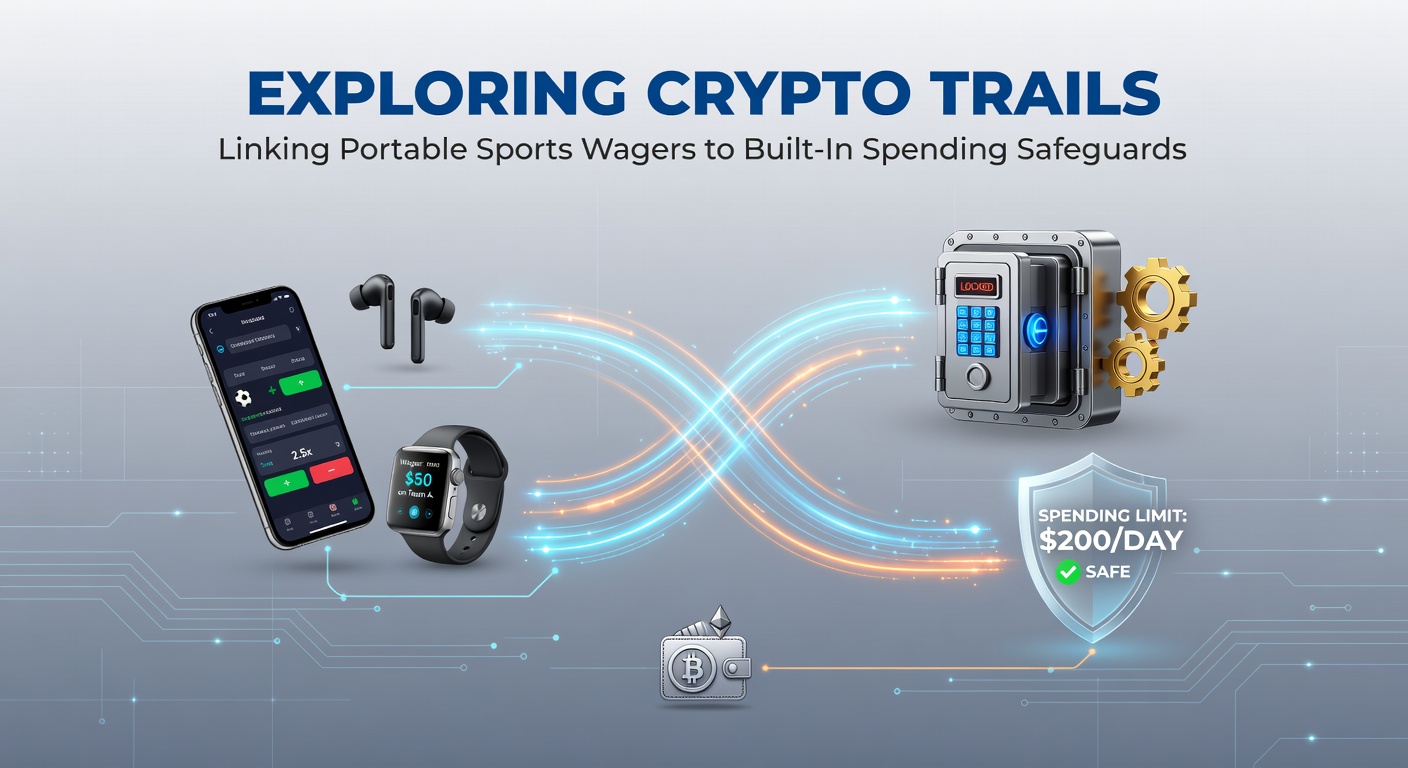
Portable sports wagers conducted through mobile applications have incorporated cryptocurrency payments at an accelerated pace since 2024, and blockchain records now create traceable paths that connect individual bets to automated spending controls. These controls appear in wallet interfaces and operator platforms where users set deposit caps, loss thresholds, and session timers that trigger automatically once crypto transfers hit predefined amounts.
Blockchain Records Create Verifiable Transaction Paths
Each crypto transfer leaves a permanent ledger entry that platforms use to monitor activity across devices, and operators in regulated markets link these entries to player accounts through know-your-customer verification processes. Data from multiple jurisdictions indicates that mobile sportsbooks processing bitcoin and ethereum deposits record transaction hashes alongside bet details, which allows systems to flag patterns such as rapid successive wagers that exceed daily limits. In June 2026 several North American operators updated their compliance dashboards to display real-time crypto flow visualizations that highlight when cumulative spending approaches user-set boundaries.
Research conducted by the Australian Institute of Criminology demonstrates that blockchain analytics tools now integrate directly with betting applications, and these tools convert wallet addresses into risk scores that feed into spending safeguard modules. Operators receive alerts when a single address shows repeated high-velocity transfers, and the same systems pause further deposits until the user confirms or adjusts preset limits. This linkage turns what once appeared as anonymous transfers into auditable sequences that support responsible gambling features without requiring manual intervention from the player.
Integrated Safeguards Activate Through Wallet APIs
Built-in spending safeguards operate by connecting mobile betting apps to cryptocurrency wallet application programming interfaces, and these connections allow automatic enforcement of deposit limits expressed in both fiat equivalents and native crypto units. When a user attempts a transfer that would breach a daily cap, the API call returns a denial code that the sportsbook application displays as an on-screen notification, while the blockchain record still logs the attempted transaction for compliance review. Canadian provincial regulators have required similar API linkages since late 2025, and operators report that such integrations reduce instances of limit overrides by embedding the controls at the payment layer rather than the application layer alone.
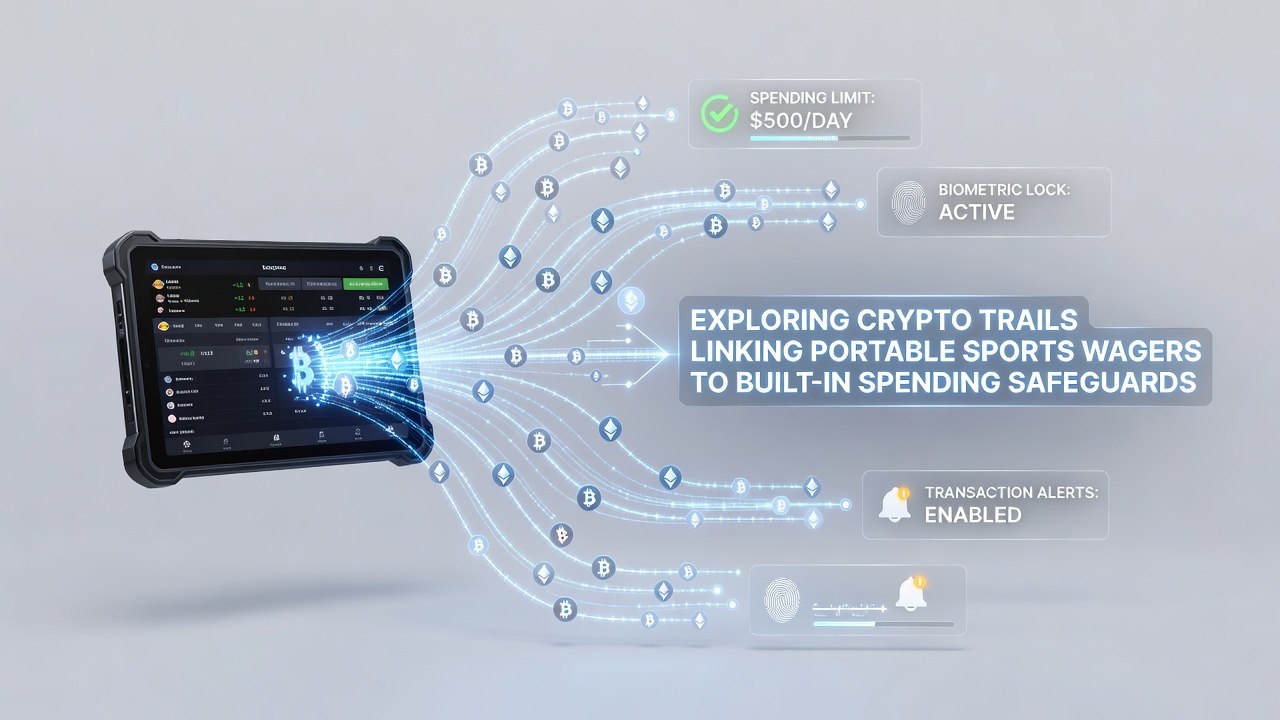
Those who manage multi-account activity across devices find that unified player profiles aggregate crypto trails from various wallets, and this aggregation supports cross-device limit enforcement. A single loss threshold set in one application therefore applies to all linked sessions, because the backend system matches wallet signatures to the verified identity regardless of the originating smartphone or tablet. Industry reports from the European Gaming and Betting Association note that such unified tracking has become standard in markets where operators must demonstrate adherence to player protection standards during licensing renewals.
Regulatory Developments Shape Crypto-Safeguard Linkages
State gaming commissions in the United States have begun requiring operators to retain blockchain data for a minimum of five years, and these retention rules apply specifically to sports wagering conducted via mobile channels. The retained records include timestamps, wallet addresses, bet amounts, and any safeguard triggers that activated during the session, which auditors examine during routine compliance checks. Observers note that the combination of immutable ledger entries and operator-side limit systems creates a dual-layer verification process that neither crypto transactions nor traditional payment methods achieve independently.
One study released by researchers at the University of Nevada, Reno examined transaction volumes during the first half of 2026 and found that sportsbooks using native crypto integrations recorded a measurable increase in users activating voluntary spending caps. The study attributes this rise to the visibility of real-time balance updates within wallet-connected interfaces, where players see both available funds and remaining limit headroom displayed side by side. Platforms that display this information report fewer support requests related to deposit disputes because the safeguard status remains visible before each wager is placed.
Future Integration Trends in Mobile Wagering Platforms
Developers continue to refine the connection between portable betting applications and crypto networks by embedding smart contract conditions that enforce spending rules at the protocol level. These contracts can automatically route excess transfers to a separate holding address or reject them outright once thresholds are reached, and the resulting on-chain events become part of the permanent compliance trail. Market participants expect further standardization of these contract templates as more jurisdictions finalize crypto-specific gambling regulations during 2026 and 2027.
Conclusion
The convergence of blockchain transparency with automated spending safeguards has produced traceable pathways that link individual mobile sports wagers to protective mechanisms embedded in crypto wallets and operator systems. Regulatory requirements in multiple regions now mandate retention and review of these combined records, while technical integrations allow limits to activate without additional user steps. Data collected through mid-2026 shows measurable adoption of these controls among users of crypto-enabled sportsbooks, and ongoing platform updates continue to strengthen the linkage between transaction trails and player protection features.