Exploring Wallet Synchronization Patterns Between Portable Platforms and Real-Time Table Interactions
Freya Frank · Jun 28, 2026
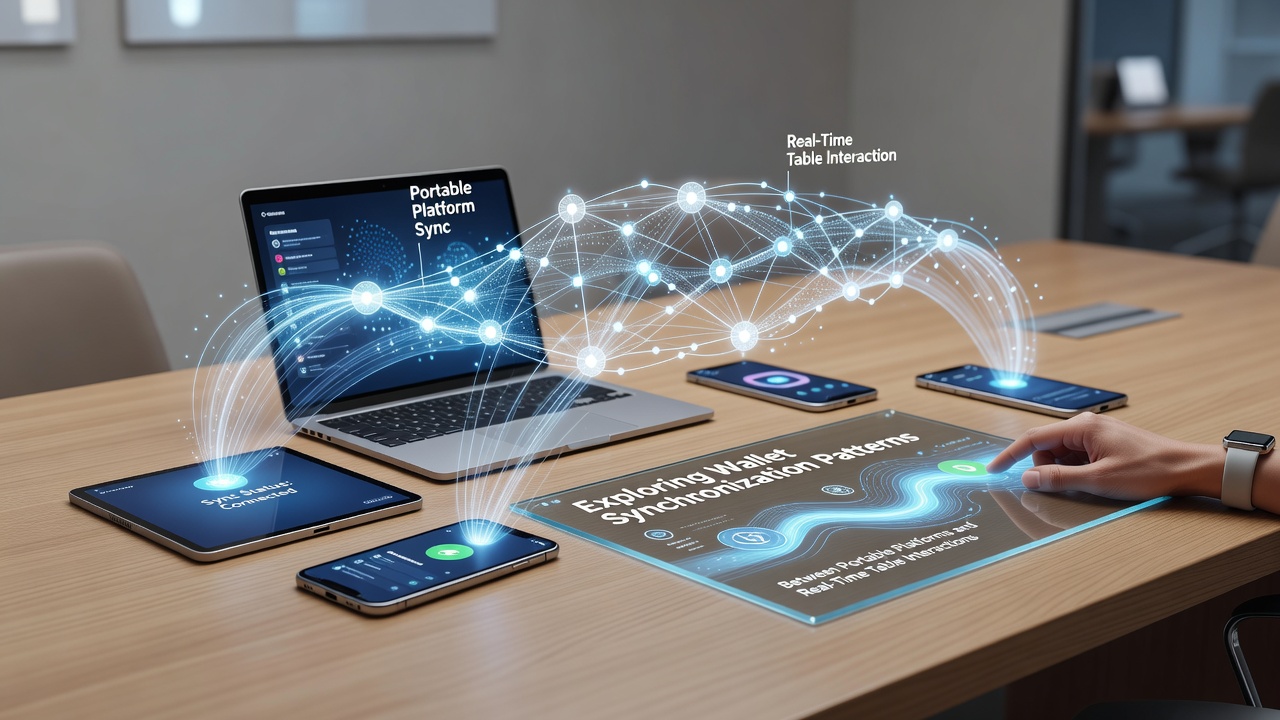
Exploring Wallet Synchronization Patterns Between Portable Platforms and Real-Time Table Interactions
Wallet synchronization patterns between portable platforms and real-time table interactions have drawn attention in gaming technology circles as operators integrate digital payment systems with live dealer environments. These patterns emerge when users move funds across mobile applications and interactive table sessions without interrupting gameplay flow. Data from industry reports shows that synchronization relies on API connections that update balances in seconds while maintaining compliance with transaction logging requirements.
Core Mechanisms Driving Synchronization
Portable platforms such as smartphones and tablets connect to central servers that handle both digital wallet functions and table game interfaces simultaneously. Real-time table interactions involve live video feeds paired with betting controls that pull from the same wallet ledger. Researchers at various institutions have documented how token-based authentication allows devices to maintain session continuity even when users switch between portrait and landscape modes or toggle between multiple tables. In June 2026 several operators reported reduced latency in these handshakes following updates to their backend protocols.
Patterns observed include sequential syncing where mobile deposits trigger immediate table credit updates and bidirectional flows that reflect table wins back into portable wallet balances within defined time windows. Studies indicate that cloud-based reconciliation engines handle the bulk of these transfers while edge computing nodes manage local caching to prevent data loss during brief connectivity drops. Observers note that encryption layers wrap each transaction packet to meet standards set by regional authorities including those in North America and parts of Asia.
Observed Patterns Across Different Environments
Analysts tracking usage across multiple jurisdictions have identified recurring sequences in how portable wallets interact with table systems. One pattern involves pre-authorization holds that reserve funds before a player joins a live table then release unused portions automatically after session closure. Another pattern surfaces during multi-table play where wallets distribute funds across active sessions while preserving a single unified balance view on the mobile interface. Figures from operator dashboards reveal that peak synchronization events cluster during evening hours in major markets with Asia-Pacific regions showing distinct spikes compared to European timelines.
Take one operator who implemented geofencing alongside wallet sync features and found that location-aware triggers reduced failed transactions by aligning device positions with licensed table servers. Those who've examined logs from similar deployments often discover that fallback mechanisms activate when primary sync paths encounter delays allowing users to continue placing bets through cached credit displays until full reconciliation completes.
Technical Integration Points and Data Flow
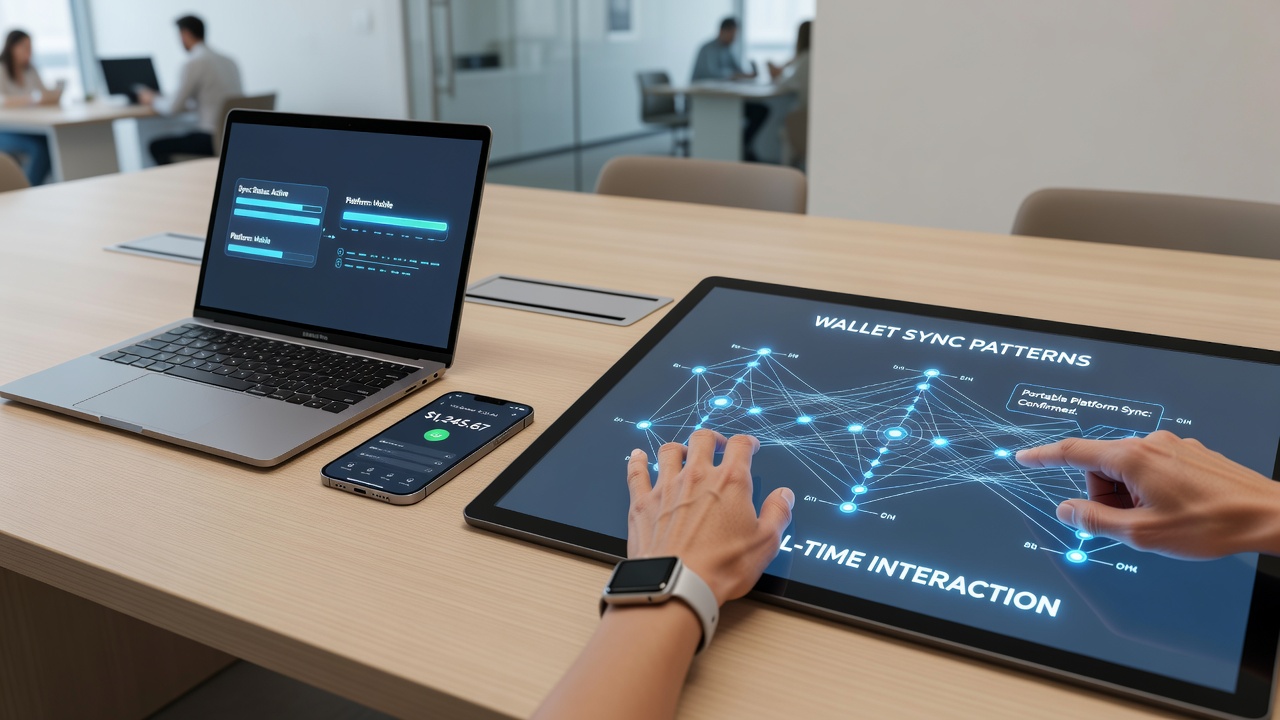
Integration occurs at several layers including payment gateways that link to banking networks and proprietary gaming servers that manage table state. Real-time table interactions generate event streams that feed directly into wallet ledgers through standardized webhook calls. According to reports from the American Gaming Association these streams must comply with audit trails that record every balance change with timestamps accurate to milliseconds. Portable platforms contribute additional variables such as battery level checks and network stability metrics that influence sync priority algorithms.
Experts have observed that hybrid environments combining land-based tables with mobile extensions rely on near-field communication or QR code handshakes to initiate wallet pairing. Once paired the system maintains persistent connections that push updates without requiring user intervention. Research indicates that average sync completion times sit under three seconds in optimized setups though variables like concurrent user loads can extend this window during high-traffic periods. In June 2026 regulatory filings from multiple operators highlighted incremental improvements in these metrics after adopting newer protocol versions.
Regulatory and Security Considerations
Regulatory bodies across different regions impose requirements on how wallet data moves between portable devices and table systems. Canada's provincial gaming authorities and Australia's state-level commissions both mandate detailed reporting on synchronization failures and recovery procedures. Security protocols incorporate multi-factor verification steps that activate during large transfers or when devices detect unusual location changes. Data shows that encryption standards have evolved to include quantum-resistant elements in some pilot programs though widespread adoption remains gradual.
Those monitoring compliance trends note that operators must retain records of all sync events for periods ranging from three to seven years depending on jurisdiction. Automated monitoring tools flag anomalies such as mismatched timestamps or repeated failed attempts that could indicate network issues or attempted interference. Industry organizations continue to publish guidelines that help standardize these practices while allowing room for platform-specific optimizations.
Conclusion
Patterns in wallet synchronization between portable platforms and real-time table interactions continue to evolve alongside advances in connectivity and server architecture. Current implementations demonstrate reliable performance across varied conditions while meeting the reporting demands of oversight bodies. As operators refine their systems further integration points between mobile wallets and live tables are expected to support even tighter timing and broader feature sets. The available evidence points to ongoing technical refinement rather than wholesale replacement of existing frameworks.