How Digital Currency Transactions Enhance Security Protocols in App-Driven Wagering Activities
Xander Hansen · Jul 24, 2026
How Digital Currency Transactions Enhance Security Protocols in App-Driven Wagering Activities
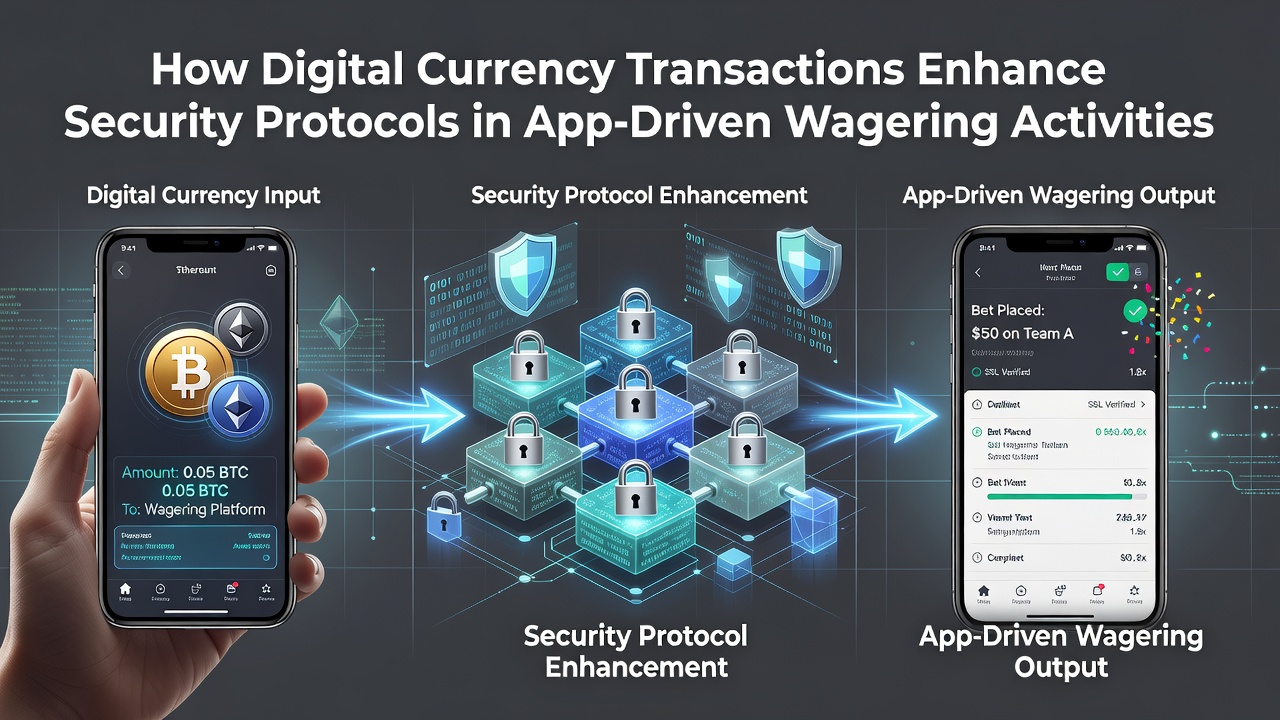
Digital currency transactions have become central to app-driven wagering platforms because they rely on blockchain ledgers that record every transfer in an immutable sequence, and this structure limits opportunities for unauthorized alterations while supporting real-time verification across distributed nodes. Observers note that operators integrate these systems to replace traditional payment rails with protocols that use cryptographic hashing, which ties each transaction to previous ones and creates a chain that resists tampering even when apps handle thousands of bets per minute.
Blockchain Architecture and Transaction Integrity
App developers embed public and private key pairs into mobile interfaces so that every deposit or withdrawal requires digital signatures verified by network consensus rather than centralized servers alone, and this approach reduces single points of failure that once exposed user funds to localized breaches. Data indicates that platforms processing cryptocurrency wagers in July 2026 reported fewer instances of replay attacks because each transaction includes unique timestamps and nonces that prevent duplication across sessions, while smart contracts automate payout conditions once predefined outcomes are confirmed on the chain.
Those who manage large wagering networks point out that multi-signature wallets add another layer because several parties must approve large transfers, and this requirement aligns with internal compliance checks before funds move from player accounts to operator reserves. Research from the Nevada Gaming Control Board highlights how such wallet configurations have helped licensed operators maintain audit trails that satisfy both state examiners and international standards without relying solely on manual reconciliation processes.
Encryption Standards and User Authentication
Modern wagering apps combine blockchain entries with end-to-end encryption so that transaction details remain protected during transmission between devices and backend validators, and this combination prevents interception that could expose betting patterns or account balances. Experts have observed that zero-knowledge proof techniques allow platforms to confirm sufficient funds exist without revealing exact wallet contents, which strengthens privacy controls while still enabling regulators to verify that games meet fairness thresholds.
Biometric prompts on smartphones further tie digital signatures to individual users because fingerprint or facial data unlocks the private key only after local authentication succeeds, and this step limits account takeovers even when device credentials are compromised. Figures from industry reports reveal that apps adopting these layered protocols experienced measurable drops in unauthorized access attempts during the first half of 2026.
Fraud Reduction and Regulatory Alignment
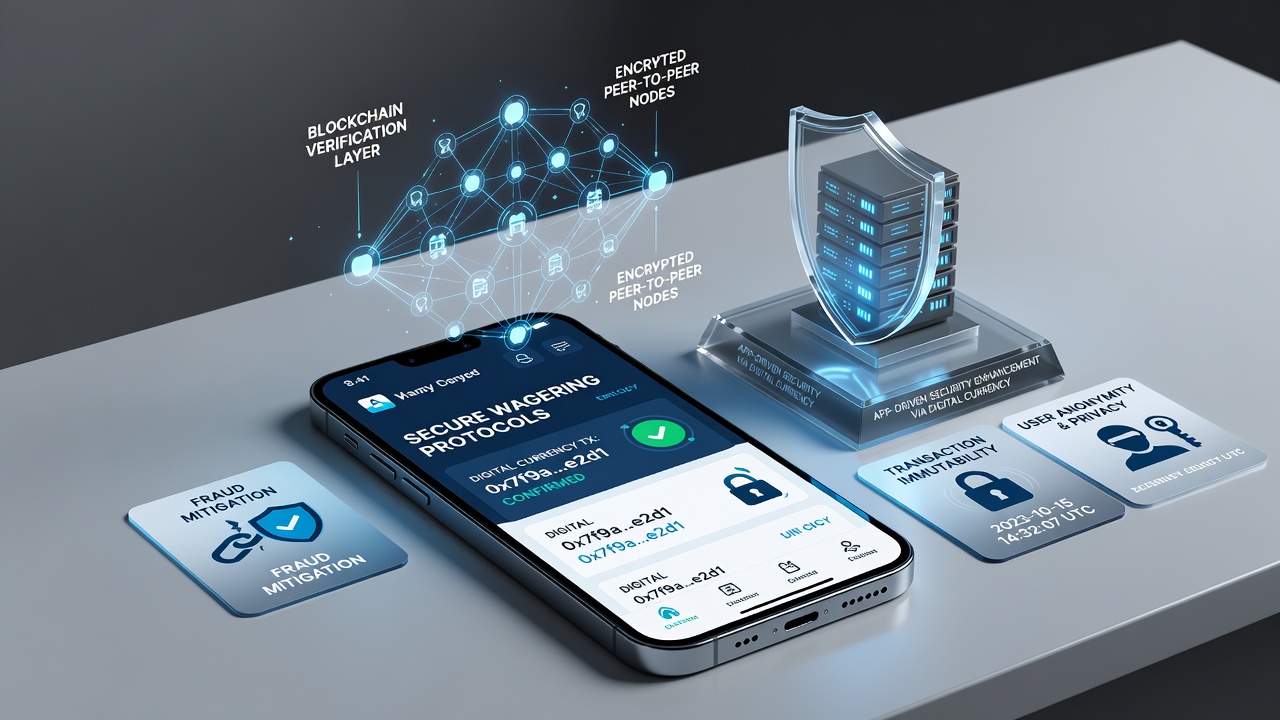
Chargeback fraud declines when digital currencies replace credit card rails because blockchain transfers are final once confirmed, which removes the reversal mechanisms that bad actors previously exploited to dispute legitimate wagers after losses occurred. Observers note that operators in multiple jurisdictions now require cryptocurrency deposits for high-volume accounts precisely because the transparent ledger allows quick tracing of suspicious patterns without lengthy bank investigations.
Regulatory bodies in Australia and Canada have issued guidance encouraging licensed platforms to adopt these payment methods as part of broader risk-management frameworks, and the Australian gambling regulators have documented how immutable records simplify compliance reporting for operators handling cross-border traffic. Smart contract audits conducted by third-party firms further ensure that payout logic cannot be altered after deployment, which adds another safeguard against both internal and external manipulation.
Integration Challenges and Ongoing Developments
App teams must balance transaction speed with security overhead because proof-of-work networks can introduce delays during peak betting periods, yet many platforms now route smaller wagers through layer-two solutions that maintain ledger integrity while accelerating confirmations to under ten seconds. Those who have studied adoption trends report that hybrid models combining stablecoins with traditional fiat on-ramps give users flexibility without sacrificing the core security benefits of blockchain verification.
By July 2026 several major mobile operators had completed upgrades that embed real-time anomaly detection directly into their wallet interfaces, allowing automatic flagging of unusual betting volumes tied to single addresses before funds are released. This capability stems from continuous monitoring of on-chain activity rather than post-transaction reviews, and it supports faster intervention when patterns suggest coordinated manipulation across multiple accounts.
Conclusion
Digital currency systems continue to reshape security practices in app-driven wagering by supplying verifiable, tamper-resistant transaction histories that integrate with encryption and authentication tools already present on mobile devices. Platforms that have implemented these protocols demonstrate stronger resistance to common attack vectors while meeting evolving regulatory expectations across different regions. As network technologies advance, the same foundational elements of cryptographic proof and distributed consensus remain central to protecting both operators and participants in fast-paced digital betting environments.