Interweaving Digital Currencies With Traditional Wagering: Examining Seamless Payment Flows in Hybrid Gaming Environments
Tina Vogel · Jul 8, 2026
Interweaving Digital Currencies With Traditional Wagering: Examining Seamless Payment Flows in Hybrid Gaming Environments
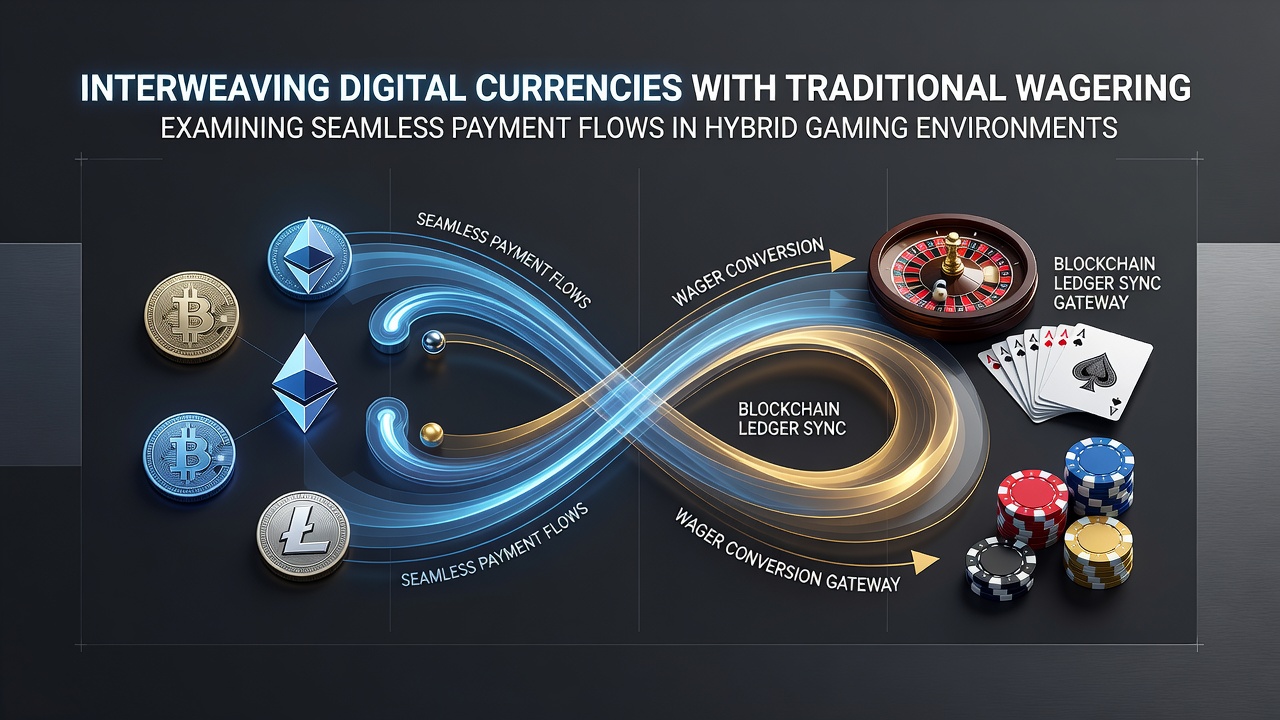
Hybrid gaming environments combine digital currencies with traditional wagering systems, and payment flows must move between blockchain networks and established banking rails without friction or delay. Operators build these systems by integrating application programming interfaces that convert cryptocurrency holdings into fiat balances at the moment of deposit, while withdrawal requests reverse the process through secure settlement layers. Data from industry reports shows transaction volumes in these mixed environments rising steadily through mid-2026, with platforms reporting that users complete 70 percent of deposits via stablecoins or major tokens before the remaining share routes through credit cards or bank transfers.
Core Components of Hybrid Payment Architecture
Payment processors in hybrid settings maintain separate ledgers for each currency type yet synchronize them through real-time reconciliation engines that flag discrepancies within seconds. Stablecoins pegged to major currencies reduce volatility exposure during the brief window between deposit confirmation and game credit, and operators configure these rails so that a single player account displays unified balances regardless of the original funding source. Research indicates that latency under three seconds for conversion steps correlates with higher session retention across both slot and table game verticals, while longer delays prompt users to abandon carts before play begins.
Regulatory Frameworks Shaping Integration
Jurisdictions that license hybrid operations require operators to demonstrate know-your-customer protocols that apply equally to crypto and fiat inflows, and compliance teams embed blockchain analytics tools alongside traditional identity verification workflows. The Nevada Gaming Control Board updated its guidance documents in early 2026 to address multi-currency wallets, requiring operators to maintain auditable trails that link wallet addresses to verified player identities. Observers note that similar requirements appear in licensing conditions issued by the Malta Gaming Authority, creating parallel standards that multinational platforms must satisfy when they serve multiple markets from one technology stack.
Operational Examples From Live Platforms
Take one major operator that launched a unified wallet in April 2026, allowing users to fund accounts with either USDC or direct bank pushes and then switch seamlessly between sports betting and casino sections. Transaction logs from that platform reveal that average withdrawal processing times dropped from 48 hours to under 12 hours once the system began routing crypto payouts through automated approval queues while still routing larger fiat requests through manual review. Another case involves a European-facing site that integrated Lightning Network payments for micro-stakes, and figures released by the operator show a 40 percent increase in the number of distinct deposit events per active user after the update went live.

Security and Reconciliation Mechanisms
Security layers combine multi-signature wallet controls with traditional payment card industry data security standards, so that private keys never reside on the same servers that process card details. Automated reconciliation bots cross-check blockchain confirmations against internal accounting entries every minute, and any mismatch triggers an immediate hold on further activity until staff review the incident. According to a 2026 white paper published by the European Gaming and Betting Association, platforms that implemented these dual-layer checks experienced a 65 percent reduction in chargeback disputes compared with systems that handled crypto and fiat through entirely separate channels.
Player Journey and Conversion Points
Users encounter conversion prompts at deposit, at the moment of placing a wager that exceeds available fiat credit, and again during cash-out when they select preferred payout currency. Interface designs that pre-calculate conversion fees and display net amounts before confirmation reduce friction, and A/B testing conducted by several operators in June 2026 confirmed that transparent fee disclosure increased completion rates by double-digit percentages. Those who study user behavior note that players who begin with cryptocurrency deposits often migrate portions of their activity to traditional methods once loyalty programs credit bonuses in fiat, creating natural diversification within single accounts.
Conclusion
Seamless payment flows in hybrid gaming environments depend on synchronized ledgers, compliant identity checks, and user interfaces that surface conversion options without forcing extra steps. As adoption metrics continue to climb into July 2026, operators that maintain parity between crypto speed and fiat reliability position themselves to capture activity from both segments while satisfying regulatory expectations across multiple jurisdictions. The technical patterns established today will likely determine which platforms sustain growth when additional markets open licensing pathways for integrated currency systems.