Shifting Payout Rhythms: Cluster Mechanics Reshaping Digital Reel Dynamics
Tina Vogel · May 24, 2026
Shifting Payout Rhythms: Cluster Mechanics Reshaping Digital Reel Dynamics
Cluster mechanics have altered the way digital reels deliver payouts by replacing fixed paylines with grouped symbol formations that trigger wins whenever matching icons occupy connected spaces. Observers note that this shift changes payout frequency and timing because clusters activate whenever identical symbols touch horizontally or vertically, often across larger grid areas than traditional lines permit. Data from industry reports shows these systems emerged in the early 2010s yet gained wider adoption as software providers refined random number generators to support variable cluster sizes.
Developers program reels to evaluate every position after each spin, scanning for connected groups rather than predetermined lines, which produces different rhythm patterns in win distribution. Studies from gaming research centers indicate that cluster-based titles often generate more frequent smaller payouts interspersed with occasional larger formations when symbols fill extensive areas. This contrasts with classic reel setups where wins depend on specific alignments, creating longer dry spells between results.
Technical Foundations of Cluster Evaluation
Modern cluster systems rely on adjacency detection algorithms that check each symbol against its neighbors in real time. Software engineers implement rules specifying minimum cluster sizes, commonly five or more connected symbols, before a payout registers. These parameters directly influence reel dynamics because the engine must recalculate potential clusters after every cascade or symbol drop, extending spin duration in some cases while shortening evaluation time in others.
Reel strips contain higher densities of low-value symbols to facilitate cluster formation, while premium symbols appear less frequently yet contribute larger rewards when grouped. According to figures released by the Nevada Gaming Control Board, operators report adjusted return-to-player percentages that account for these mechanics, ensuring regulatory compliance across multiple jurisdictions. The evaluation process incorporates cascade features in many titles, where winning clusters disappear and new symbols fall into place, sustaining momentum across successive evaluations within a single spin.
Impact on Payout Timing and Frequency
Cluster mechanics compress or expand payout intervals depending on grid dimensions and symbol distribution. Narrower grids with fewer positions tend to produce quicker cluster resolutions, whereas expansive 7x7 or 8x8 layouts extend evaluation cycles because the algorithm scans larger adjacency maps. Research indicates that players encounter win events at rates differing from line-based slots, with clusters often triggering multiple times per spin through chain reactions.
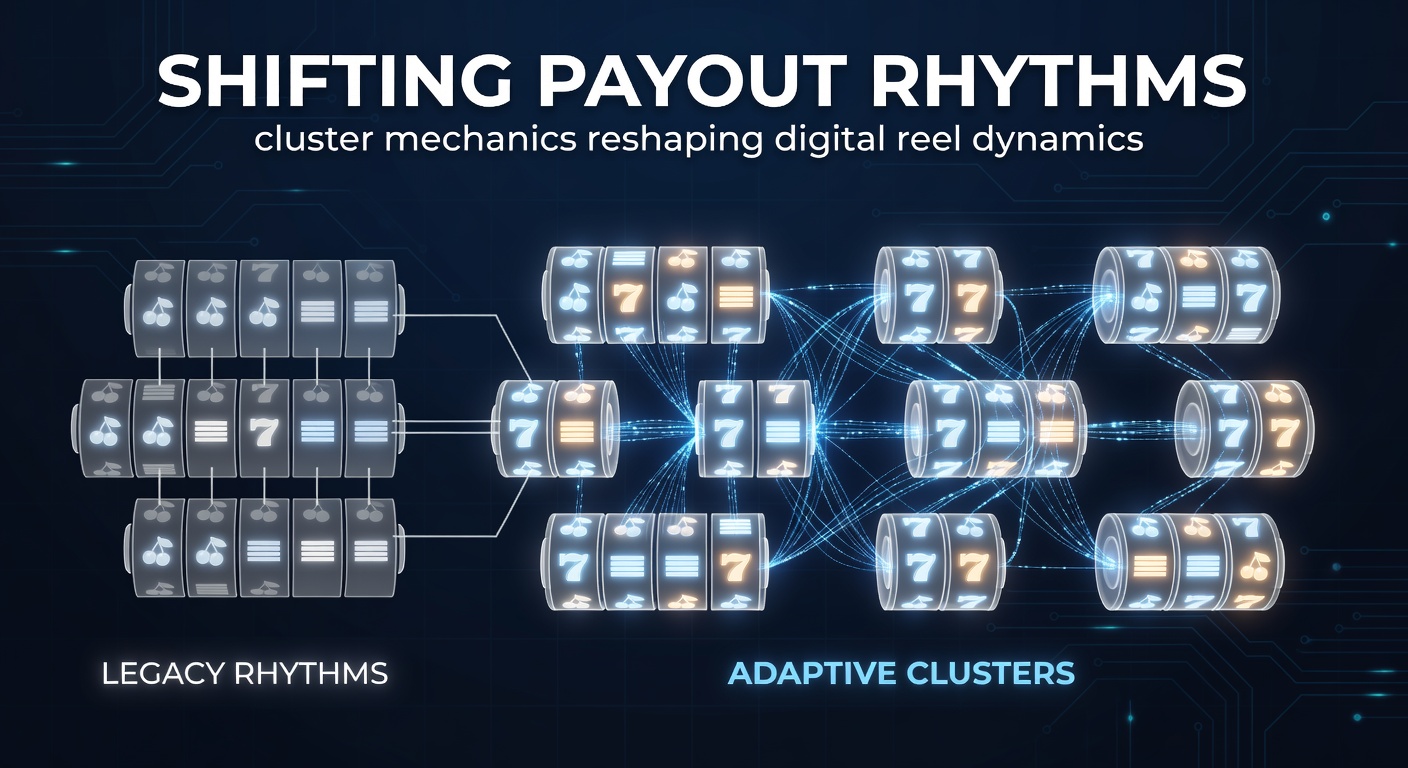
Developers adjust volatility profiles by modifying cluster thresholds and symbol weights, which shifts the balance between frequent modest returns and rarer substantial formations. Data compiled through 2025 shows increased deployment of cluster titles in regulated markets, with operators noting changes in session length patterns as these games maintain engagement through sustained reel activity. In May 2026 several platforms introduced updated cluster variants featuring hybrid evaluation that combines adjacency checks with occasional line multipliers, further diversifying payout rhythms.
Software Adaptations and Regulatory Oversight
Game studios have updated their random number generator frameworks to support cluster detection without compromising fairness standards. Independent testing laboratories verify that each possible cluster outcome adheres to certified probability distributions, a process that includes stress testing for edge cases where symbols border multiple potential groups. Regulatory bodies such as those in Nevada and select Australian states require documentation detailing how cluster algorithms interact with bonus triggers and progressive elements.
Operators integrate these mechanics into live monitoring systems that track real-time payout distributions, allowing adjustments when observed frequencies deviate from projected models. Observers note that cluster implementations sometimes reduce the predictability of win timing compared to fixed-line slots, prompting operators to recalibrate marketing materials and responsible gaming prompts accordingly. Industry associations have published guidelines encouraging transparent disclosure of cluster rules within game information panels.
Player Interface Adjustments
Digital interfaces display cluster boundaries through highlighted zones or animated connections once symbols align, providing immediate visual feedback on active groups. Sound design elements emphasize successive cluster resolutions during cascades, reinforcing the altered rhythm of outcomes. User experience testing reveals that these visual cues help maintain clarity even when multiple overlapping clusters form across the grid.
Some platforms incorporate zoom functions or replay tools that isolate specific cluster formations, aiding players in understanding evaluation logic. Data from operator analytics indicates that such features correlate with extended play sessions in cluster-based titles, though overall engagement metrics vary by title theme and volatility setting.
Conclusion
Cluster mechanics continue to influence digital reel dynamics through changes in evaluation speed, win frequency, and visual presentation. Regulatory data and technical reports document ongoing refinements in adjacency algorithms and cascade protocols that sustain these shifts across new releases. As grids expand and hybrid features proliferate, payout rhythms evolve further while remaining subject to established testing and compliance frameworks in major markets.