Synchronizing Reward Mechanisms Across Mobile Platforms for Unified Sports and Casino Activity Tracking
Uma Schmitt · Jun 21, 2026
Synchronizing Reward Mechanisms Across Mobile Platforms for Unified Sports and Casino Activity Tracking
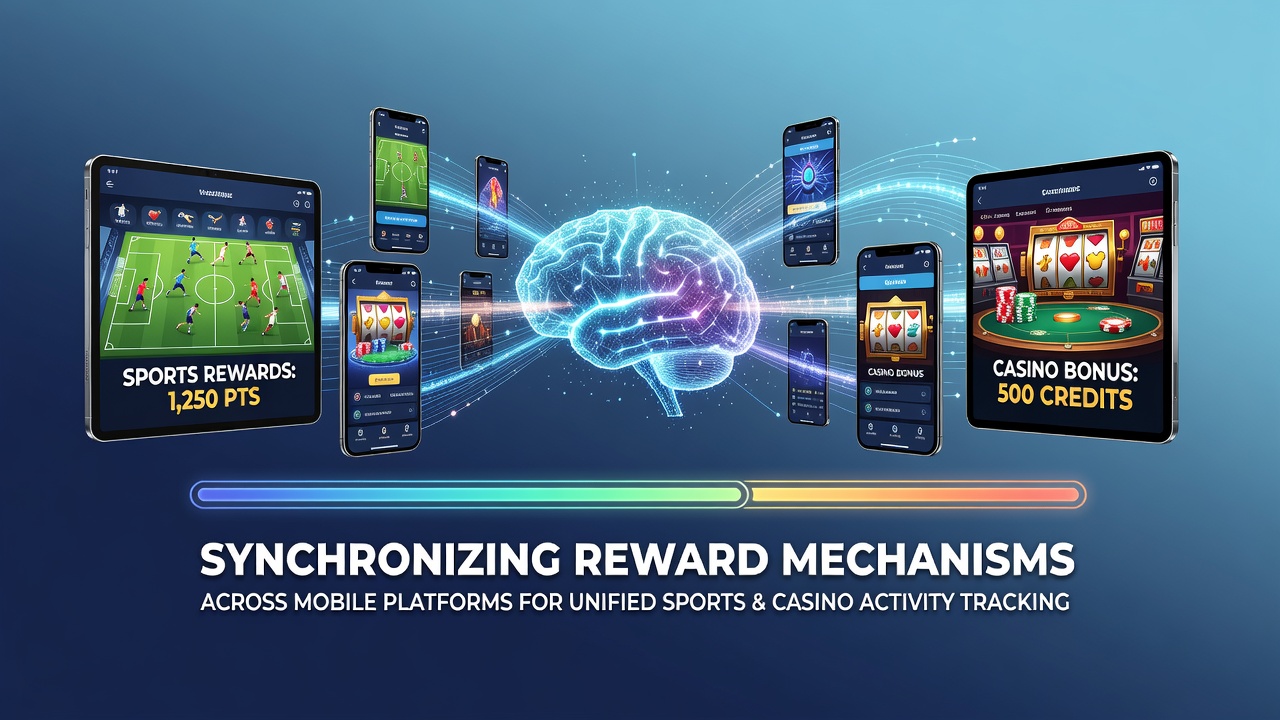
Operators now integrate reward systems so that points earned from sports bets flow directly into casino play on the same mobile account, while casino wins contribute back to sports wagering bonuses, creating a single ledger that updates in real time across iOS and Android applications.
Developers achieve this synchronization through shared application programming interfaces that connect separate game engines to one central player database, allowing balance adjustments to appear instantly whether a user switches from a live odds screen to a slot machine interface or moves between devices during a single session.
Core Components of Cross-Platform Reward Integration
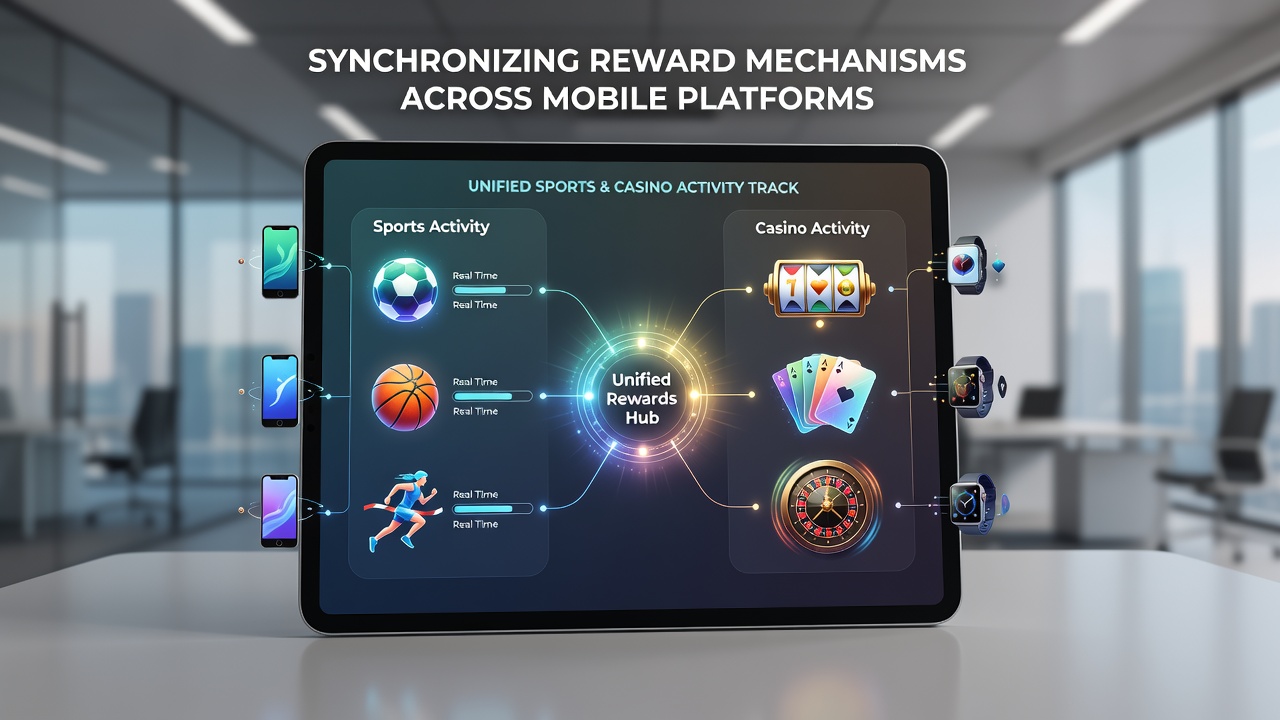
Unified tracking relies on three main layers including the front-end mobile application that records every wager and spin, the middleware layer that normalizes data formats from different game providers, and the back-end server cluster that stores cumulative activity under a single player identifier, and these layers communicate through encrypted channels that meet data protection standards set by state regulators in multiple jurisdictions.
According to reports published by the American Gaming Association, several large operators began rolling out these integrated ledgers in early 2025, with full deployment across major markets completed by spring 2026, and the same reports note that daily active users who engage with both sports and casino products show higher retention rates once rewards become interchangeable.
Technical Methods Supporting Real-Time Updates
Cloud-based synchronization services push transaction records every few seconds so that a completed parlay on a football game immediately credits loyalty tiers that unlock casino free spins, while a series of wins on digital tables can generate sports betting credits without requiring manual transfers or separate logins.
Developers often employ event-driven architectures where each game outcome triggers a webhook that updates the central rewards engine, and this approach reduces latency to under two seconds even during peak evening hours when thousands of users place concurrent bets or trigger bonus rounds.
Regional Regulatory Influences on Unified Systems
State gaming boards in Illinois and New Jersey require operators to maintain audit logs that separate sports and casino activity for tax purposes yet still permit shared loyalty currencies, and these rules have prompted companies to build modular reward engines that tag transactions by product category before merging them into a single visible balance for the player.
Research from the European Gaming and Betting Association indicates that similar frameworks in regulated European markets emphasize consumer protection measures such as spend limits that apply across both verticals, forcing platforms to calculate total exposure rather than tracking each category independently.
Player Journey Mapping and Engagement Patterns
Analysts track how users move between verticals once rewards synchronize, and data collected in June 2026 shows that players who receive a sports betting bonus after reaching a casino loyalty milestone tend to extend their overall session length by an average of 18 minutes compared with those using isolated reward programs.
Operators therefore design notification sequences that alert users when activity in one product type has generated value in the other, and these messages appear within the same mobile application rather than through separate push campaigns that could fragment attention.
Security and Compliance Considerations
Encryption protocols wrap every data packet traveling between mobile clients and central servers, while multi-factor authentication protects account access across devices, and regular penetration testing conducted by independent firms verifies that unified reward ledgers cannot be manipulated through one vertical to affect balances in another.
Regulators continue to review these systems during license renewal processes, and the focus remains on ensuring that synchronization does not obscure responsible gambling tools such as reality checks or self-exclusion flags that must remain active regardless of which product a player selects at any moment.
Future Developments Expected Through Late 2026
Additional features under testing include cross-operator reward portability within single states and tiered benefits that scale according to combined handle across sports and casino verticals, while pilot programs in select markets have already demonstrated that such expansions increase player lifetime value without raising problem gambling indicators tracked by state monitoring programs.
Observers note that continued refinement of these mechanisms depends on consistent API standards among game suppliers and steady regulatory guidance that balances innovation with consumer safeguards across all active platforms.
Conclusion
Synchronized reward mechanisms now form a standard component of mobile sports and casino offerings in regulated markets, and the technical infrastructure supporting unified tracking continues to evolve in response to both player expectations and oversight requirements, delivering measurable engagement gains while maintaining separate product integrity and compliance controls.