Synchronizing Thrills and Safeguards: How App Design Balances Casino Features with Player Wellness Protocols
Xander Hansen · Aug 5, 2026
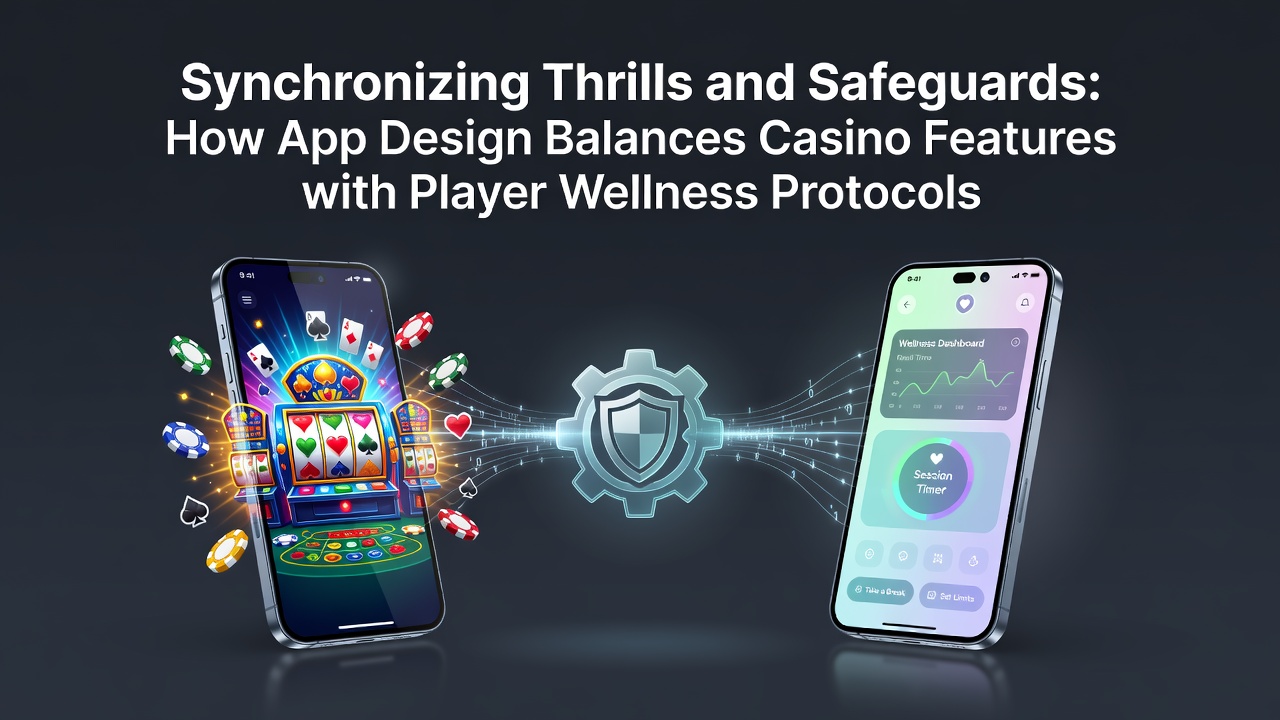
Synchronizing Thrills and Safeguards: How App Design Balances Casino Features with Player Wellness Protocols
App developers in the casino sector continue to refine digital platforms that deliver engaging gameplay while embedding structured player wellness measures, and this balance has become especially visible across mobile interfaces during the summer of 2026.
Design teams integrate rapid reward systems such as bonus rounds and live dealer streams alongside automated checks that monitor session length and spending velocity, creating environments where excitement persists yet protective boundaries activate automatically when predefined thresholds appear.
Core Engagement Mechanics Meet Built-In Controls
Modern casino applications employ layered notification systems that highlight upcoming tournaments or streak multipliers at the same time they surface optional reality-check prompts after fixed intervals, and these dual-purpose alerts rely on unified backend logic that adjusts frequency based on individual play patterns rather than fixed schedules. Developers achieve this synchronization through modular code architectures that allow thrill-oriented features like progressive jackpot trackers to run parallel to wellness modules tracking cumulative losses or time spent, ensuring neither set of functions overrides the other during peak usage hours.
Research from the Responsible Gambling Council indicates that apps incorporating such synchronized elements report higher rates of voluntary limit-setting among users, particularly when the interface presents these options through the same visual language as reward notifications instead of isolating them in separate menus.
Adaptive Algorithms and Regional Standards
Adaptive algorithms now analyze behavioral signals in real time, flagging sequences that suggest escalating risk and triggering graduated responses ranging from gentle reminders to enforced cooling-off periods, while the same systems continue to surface personalized game recommendations to maintain engagement levels. This dual-track processing draws on data streams from deposit history, win-loss ratios, and interaction speed, allowing the application to shift emphasis without disrupting the overall user flow.
Regulatory frameworks across multiple jurisdictions shape how these algorithms operate, with Canadian provincial authorities requiring transparent disclosure of limit-setting tools within the primary navigation, whereas certain Australian state guidelines emphasize mandatory pop-up summaries after every thirty minutes of continuous play. In August 2026, updates from the Nevada Gaming Control Board further clarified expectations around AI-driven alerts, prompting several major operators to recalibrate their notification timing to align with both thrill delivery and wellness checkpoints.
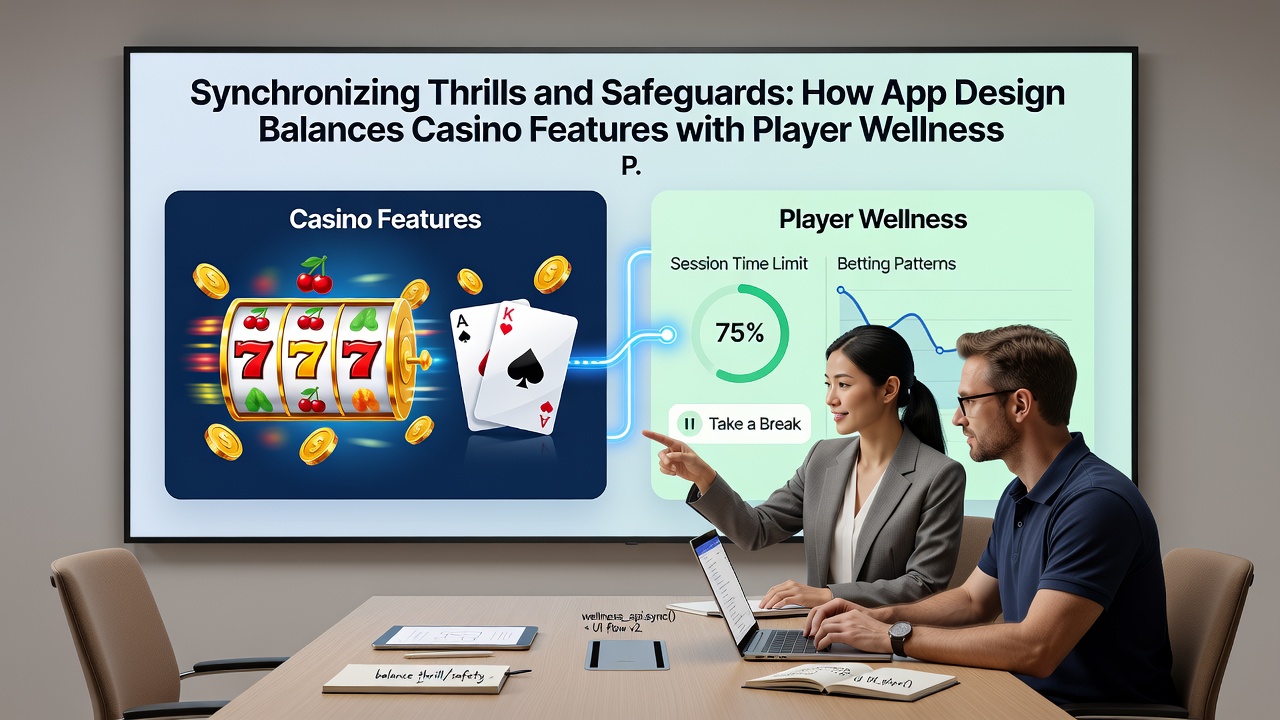
Interface Patterns That Support Both Priorities
Navigation structures in leading applications place deposit and session-limit toggles directly adjacent to game-selection carousels, reducing friction for players who want to adjust boundaries mid-session without exiting the main experience. Visual design choices reinforce this integration by using consistent color coding and iconography for both promotional banners and protective messages, which helps users recognize available options without breaking immersion.
Case examples from European operators show that apps employing these adjacent layouts experience fewer instances of players exceeding self-imposed limits, because the controls remain visible rather than buried behind multiple taps. Meanwhile, North American platforms have begun testing collapsible wellness panels that expand from the main lobby, offering quick access to exclusion tools while preserving the prominence of featured slot titles and live tables.
Future Iterations and Data Integration
Emerging developments include cross-device synchronization of wellness settings, allowing limits established on a tablet to carry over automatically to a smartphone session, and these updates draw from broader industry reports that track aggregate player behavior across platforms. Observers note that such continuity reduces the likelihood of fragmented limit enforcement, particularly as more users switch between devices during extended play periods.
Academic studies from institutions such as the University of Sydney continue to examine how these integrated designs influence long-term usage patterns, providing operators with evidence-based refinements that keep both engagement metrics and protection protocols aligned as technology evolves.
Conclusion
App design in the casino space increasingly treats thrill delivery and player wellness as interconnected components rather than competing priorities, with technical implementations that allow both to operate within the same user journey. Data from regulatory bodies and research groups shows measurable outcomes when these elements function in tandem, and ongoing adjustments in 2026 reflect continued efforts to refine that synchronization across global markets.