Synchronizing Virtual Currency Ledgers with Real-Time Gaming Outcomes in Licensed Platforms
Freya Franke · Jul 31, 2026
Synchronizing Virtual Currency Ledgers with Real-Time Gaming Outcomes in Licensed Platforms
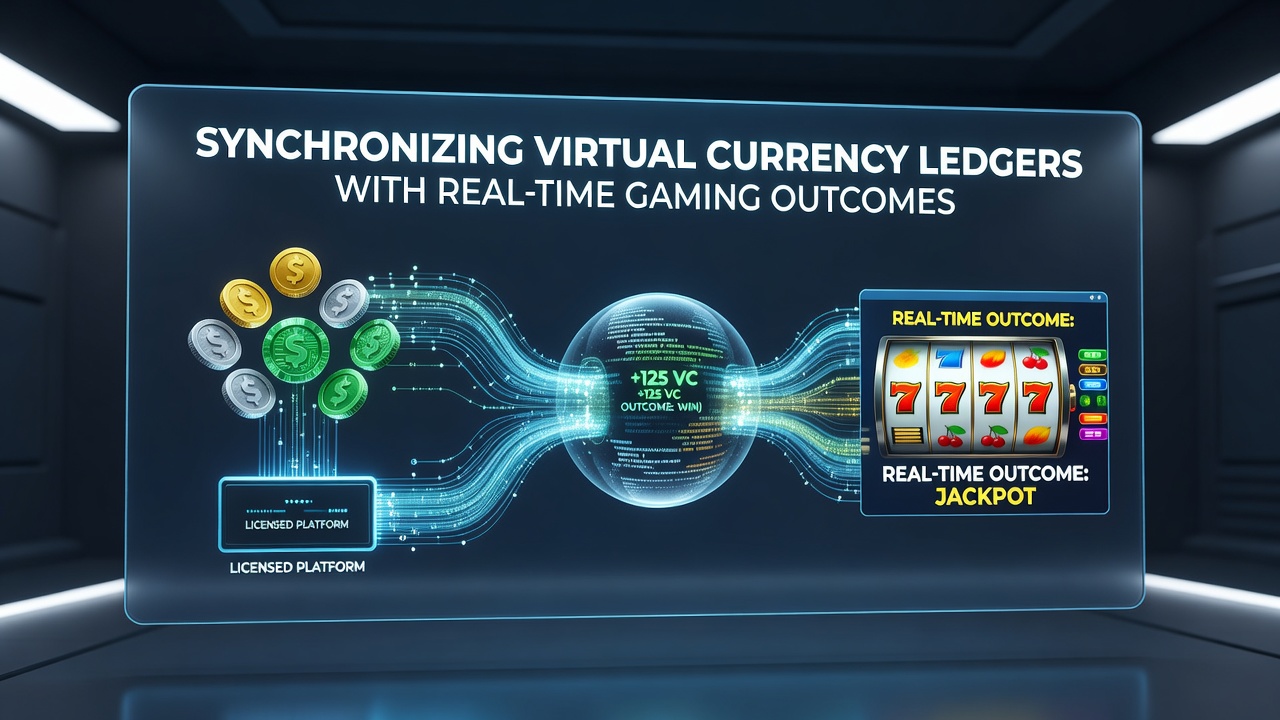
Operators in regulated markets have developed systems that connect virtual currency ledgers directly to game servers so that every spin, hand, or wager resolves and records instantly on the balance sheet. These setups rely on application programming interfaces that transmit outcome data within milliseconds, then trigger smart contract executions on permissioned blockchains or distributed ledger networks maintained under license conditions. In July 2026 several North American and European platforms reported completion of upgraded synchronization layers that eliminated the previous batch-processing delays common in earlier crypto wallet integrations.
Core Technical Architecture
Real-time synchronization begins when a game engine generates a certified random outcome and immediately packages that result with player identifiers, stake amounts, and payout calculations. The data packet travels through an encrypted channel to a ledger node operated by the licensee or an approved third-party custodian. Once validated against house rules and jurisdictional RNG standards the transaction commits to the virtual currency account, updating available balances before the next round can begin. Observers note that this sequence replaces older methods where results queued for hourly or daily settlement, reducing both player wait times and reconciliation errors that previously required manual intervention.
Regulatory Frameworks Guiding Implementation
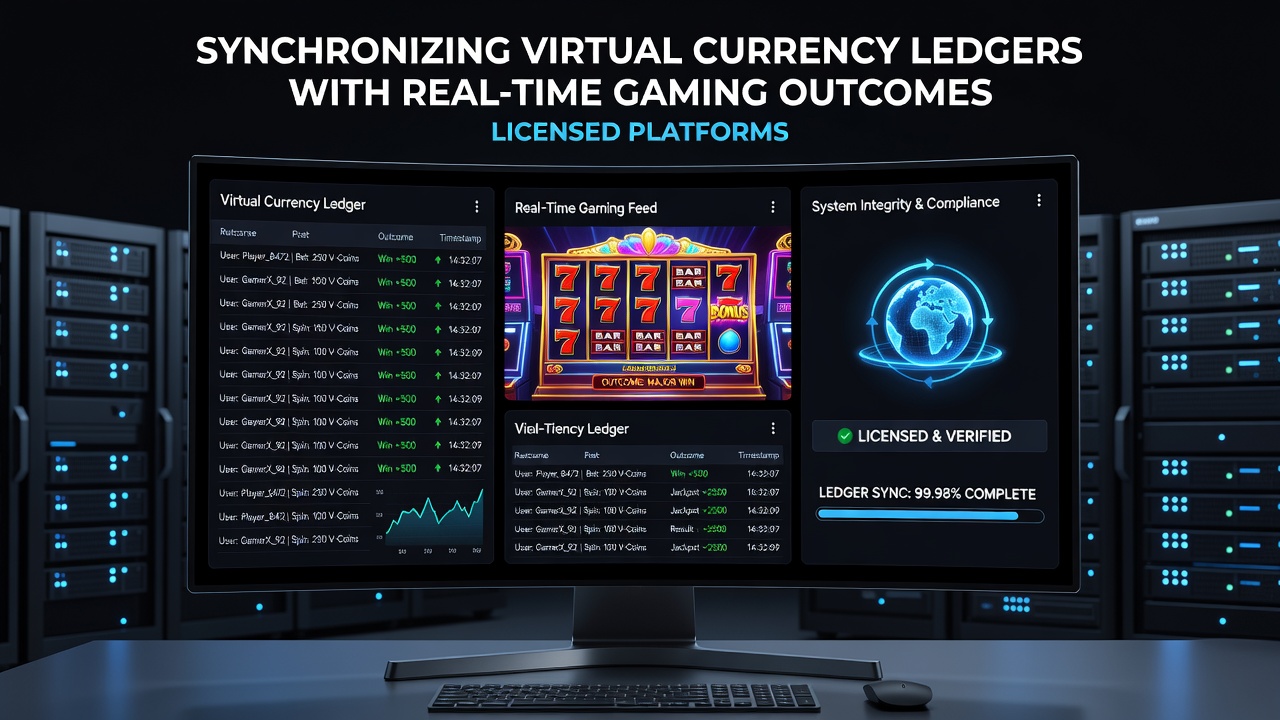
Licensed jurisdictions require operators to maintain immutable audit trails that regulators can query at any moment. Data from the Pennsylvania Gaming Control Board shows that platforms must demonstrate sub-second latency between outcome generation and ledger finality during compliance testing. Similar requirements appear in Canadian provincial rules and in reports issued by the Malta Gaming Authority, where technical specifications mandate cryptographic proof of each transaction alongside traditional RNG certification. These standards emerged after earlier pilot programs revealed discrepancies between displayed game results and wallet balances during high-volume periods.
Operational Examples Across Markets
One multi-state operator integrated an oracle network that pulls certified results from slot and table game servers then writes them to a private Ethereum-based sidechain used exclusively for player accounts. The system processes thousands of micro-transactions per minute while preserving the ability for regulators to reconstruct any session from the immutable record. In another case, an Australian licensed site combined its existing payment processor with a real-time ledger feed so that cryptocurrency deposits convert to in-game credits and subsequent wins return to the originating wallet without intermediate holding periods. Figures released in mid-2026 indicate average reconciliation time dropped from 47 minutes to under four seconds after deployment.
Security and Compliance Controls
Encryption standards, multi-signature wallet controls, and segregated key management form the baseline for protecting synchronized ledgers. Every transaction carries a digital signature generated at the game server level and verified again at the ledger node before commitment. Independent testing laboratories review these controls during initial licensing and subsequent annual audits. Researchers at the University of Nevada, Las Vegas International Gaming Institute have documented how such layered verification reduces the attack surface compared with systems that batch transactions overnight, when fewer staff monitor activity.
Challenges in Cross-Border and High-Volume Environments
Latency spikes during peak traffic can still occur if network routing or node synchronization lags behind game speed. Operators address this by deploying redundant ledger nodes across multiple data centers and by implementing fallback protocols that queue outcomes with cryptographic timestamps for later ordering. Jurisdictional differences in virtual asset classification add another layer of complexity, because some regions treat in-game credits as securities while others classify them strictly as gaming instruments. Licensees therefore maintain separate ledger partitions for each regulatory market to avoid commingling funds subject to conflicting rules.
Conclusion
Platforms continue refining synchronization methods to meet both technical performance targets and evolving regulatory expectations. The combination of certified game outcomes, encrypted data channels, and distributed ledger commitments now supports continuous play while preserving the auditability required by licensing authorities. As more jurisdictions finalize virtual currency rules, operators anticipate further standardization of the interfaces that connect gaming engines to player accounts in real time.