Tracing Behavioral Trends in Multi-Channel Entertainment Choices
Uma Schmitt · Jul 22, 2026
Tracing Behavioral Trends in Multi-Channel Entertainment Choices
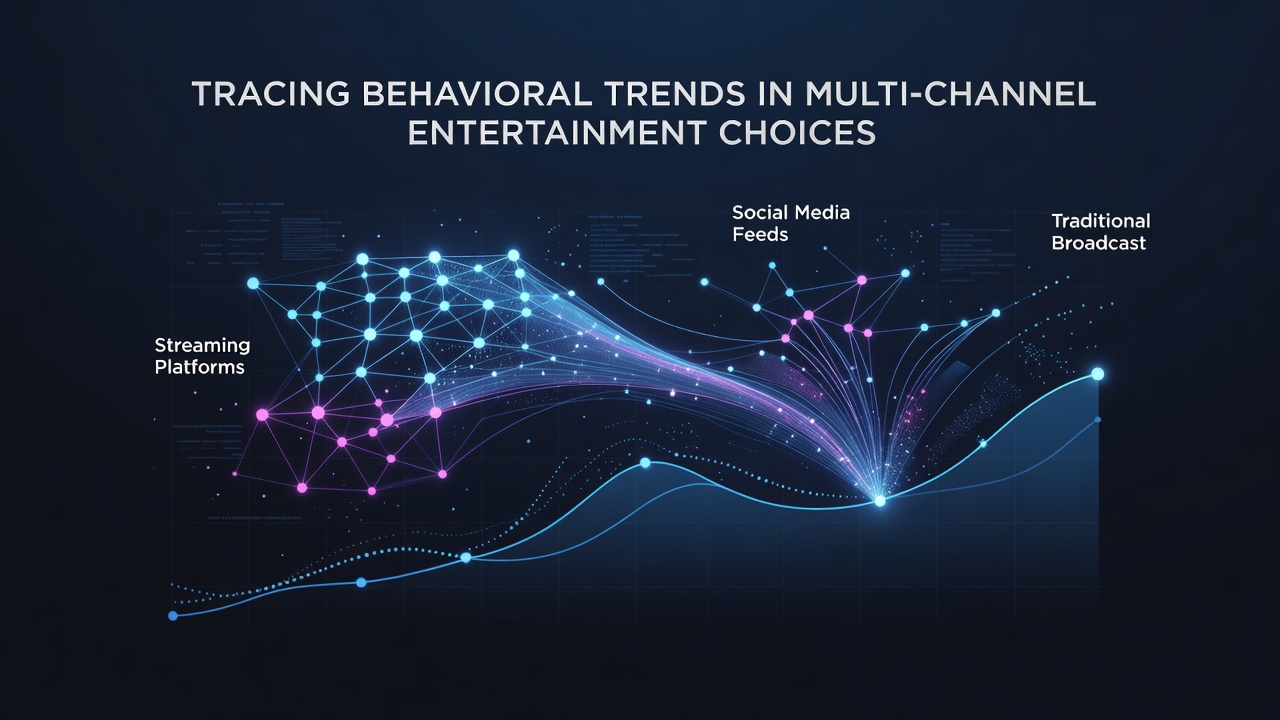
Multi-channel entertainment has expanded rapidly as audiences navigate streaming services, social platforms, live events, and mobile applications in overlapping patterns that shift with time of day and device availability. Data from industry monitoring groups shows viewers often begin sessions on one platform and migrate to another within minutes, driven by content discovery tools and notification systems that pull attention across screens. Researchers tracking these movements note consistent patterns where mobile devices serve as entry points for short-form clips before users transition to longer-form viewing on larger displays.
Platform Switching Patterns Observed in Recent Data
Studies compiled through 2026 reveal that entertainment consumers in urban markets average four to five distinct channels per evening session, with transitions occurring most frequently between 7 and 10 p.m. local time. Those who studied usage logs at major analytics firms found mobile-first starts followed by smart TV handoffs in roughly 60 percent of tracked households, while tablet users tended to remain within a single ecosystem for extended periods. July 2026 figures released by regional media authorities highlighted increased cross-device continuity, particularly in markets where 5G coverage reached above 85 percent penetration.
What's interesting here is how recommendation algorithms influence these switches. Platforms that share user profiles across services enable seamless jumps from short video clips to full episodes or live streams without requiring fresh searches. Observers tracking behavior in North American and European samples recorded higher completion rates when content suggestions appeared within the first 30 seconds of a session, compared with delays beyond one minute.
Demographic Influences on Channel Selection
Age groups display distinct preferences that hold steady across multiple reporting periods. Younger cohorts lean toward interactive elements such as live chats and user-generated content integrated into entertainment feeds, whereas older viewers maintain higher engagement with scheduled programming and on-demand libraries. Research conducted by Statistics Canada in early 2026 indicated that households with mixed age ranges showed the most complex switching sequences, often blending sports broadcasts, music streaming, and social updates within a single hour.
Geographic factors also shape these trends. Markets with strong public broadcasting traditions maintain steadier linear viewing shares, while regions dominated by commercial streaming report faster adoption of personalized playlists. A report from the Australian Bureau of Statistics documented elevated mobile engagement in regional areas where fixed broadband speeds lagged behind metropolitan averages, pushing audiences toward shorter, downloadable formats.
Integration of Social and Live Elements
Live events continue to anchor multi-channel journeys even as recorded content dominates overall volume. Viewers frequently pair broadcasts with companion apps that deliver real-time statistics, polls, or behind-the-scenes footage. Those who've examined engagement metrics at sports and music organizations note that peak concurrent usage across primary and secondary screens occurs during high-stakes moments, such as championship games or award ceremonies. This simultaneity creates data trails that platforms use to refine future suggestions.
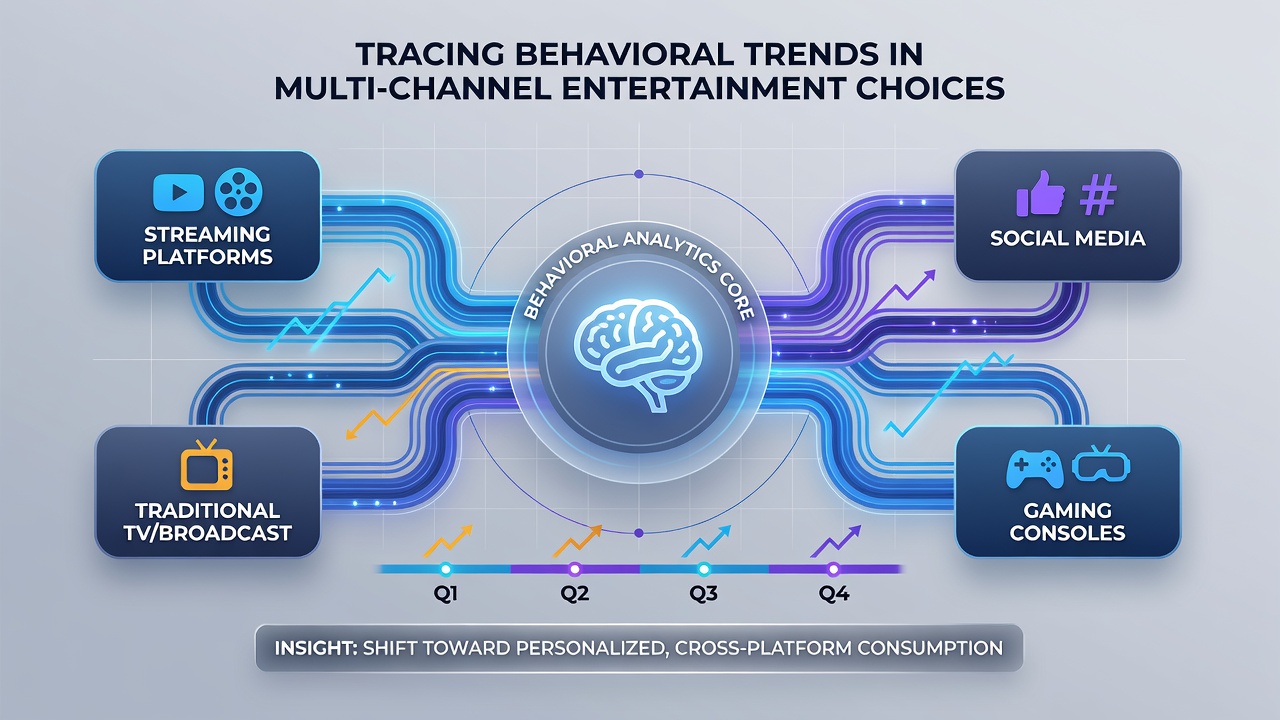
Take one analysis from the University of Toronto's media research center that mapped viewer paths during a major international tournament in June 2026. Participants began on social feeds for highlights, moved to dedicated streaming apps for full coverage, and returned to messaging platforms for post-event discussion, completing cycles that lasted under 90 minutes yet involved four distinct services. Similar loops appear in non-sports contexts, including reality series finales and concert streams.
Role of Personalization and Accessibility Features
Adaptive interfaces now adjust content pacing and format based on detected device capabilities and historical behavior. Users who pause mid-session on one device often receive resumption prompts on the next active screen within their network. Evidence gathered by European media regulators shows that accessibility options, such as adjustable subtitles and audio descriptions, increase retention when available across all linked platforms rather than isolated services. These features reduce friction during channel changes and support longer overall engagement windows.
Notification management has emerged as another variable. Audiences who configure alerts across multiple apps demonstrate more fragmented but frequent interactions, checking in for updates before committing to extended viewing. Data indicates this pattern intensifies during periods of high content release volume, such as seasonal premieres or franchise expansions.
Conclusion
Behavioral mapping across entertainment channels continues to evolve with infrastructure improvements and interface refinements. Patterns documented through mid-2026 emphasize fluid movement between devices and content types, shaped by demographic profiles, geographic conditions, and algorithmic prompts. Continued collection of usage data from diverse regulatory and academic sources will clarify how these trends stabilize or shift in response to new platform features and connectivity standards.