Tracing Digital Token Trails Through Layered Mobile Reward Structures
Freya Frank · Jun 24, 2026
Tracing Digital Token Trails Through Layered Mobile Reward Structures
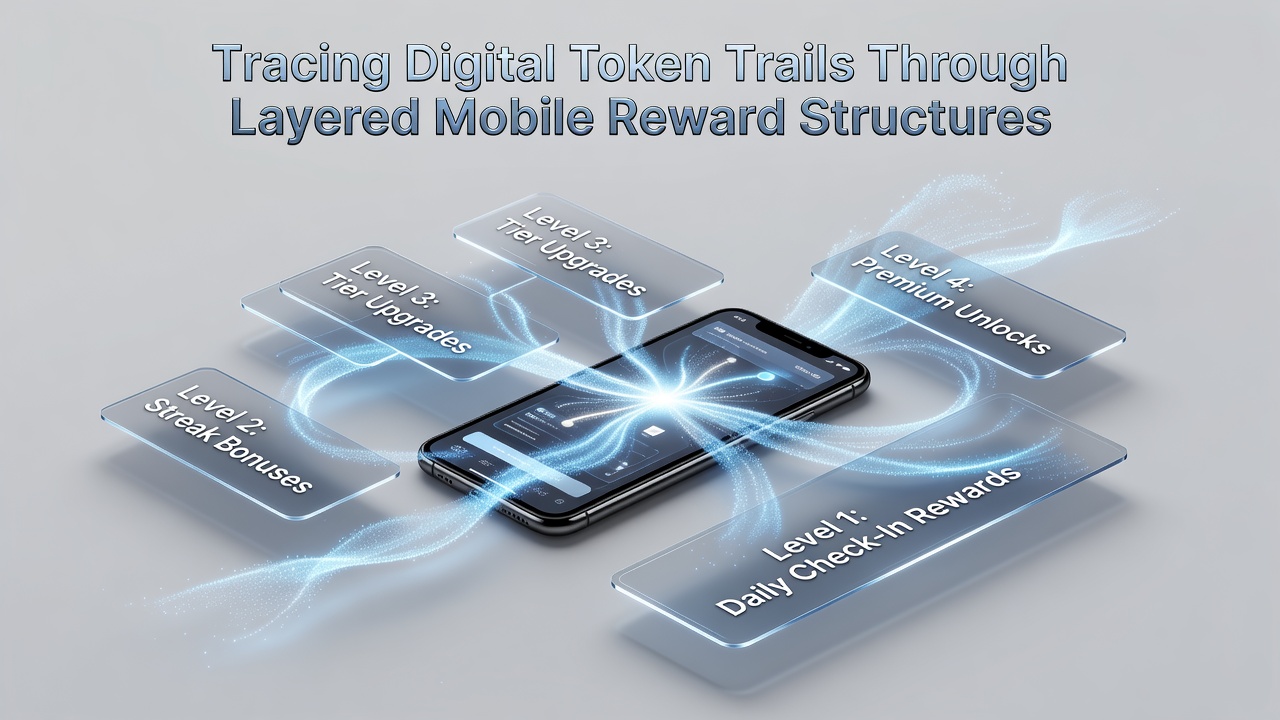
Digital token trails emerge when users accumulate points, credits, or virtual currencies inside mobile applications that stack multiple reward layers on top of each other, and observers note that each layer records data exchanges between front-end interfaces, backend ledgers, and external partner systems. Researchers have documented how base-level tokens generated from daily activity feed into tiered bonus pools, which in turn connect to cross-platform redemption networks, creating traceable paths that regulators and analysts can follow through timestamped logs and API calls.
Core Components of Layered Reward Systems
Mobile reward platforms typically separate token generation from token management, and this separation produces distinct data signatures that appear in server records, while the generation layer logs user actions such as purchases, check-ins, or content shares, the management layer records conversions, expirations, and transfers between accounts. Studies from academic institutions show that these two layers often operate on separate databases, yet they exchange identifiers through encrypted tokens that carry metadata about origin, value, and eligibility rules.
Additional layers appear when operators integrate third-party loyalty partners, and each integration adds new fields to the data trail including partner identifiers, conversion rates, and settlement timestamps. Data indicates that by June 2026 many platforms had adopted standardized JSON schemas for these exchanges, which simplifies automated tracing yet also creates consistent patterns that forensic tools can detect across different applications.
Technical Mechanisms Behind Token Tracking
Application developers embed unique session identifiers within every token transaction, and these identifiers link sequential events across devices even when users switch networks or clear local caches. Network logs collected by carriers and analytics providers capture the resulting packet flows, which researchers analyze to reconstruct complete token journeys from issuance to redemption. Figures from industry reports reveal that average token lifecycles in layered systems span between fourteen and ninety days before expiration rules trigger automated removal entries in the ledger.
Encryption protocols protect payload contents during transit, yet header information remains visible to intermediate routers and therefore supplies partial trail data. Observers note that metadata such as device type, operating system version, and approximate geolocation often survives encryption, allowing analysts to correlate token movements with broader user behavior patterns without accessing the encrypted values themselves.
Regulatory and Security Considerations in 2026
Government agencies in multiple jurisdictions began requiring operators to maintain immutable audit logs of token movements after several high-profile discrepancies surfaced in early 2026, and these mandates specify retention periods ranging from three to seven years depending on the region. The Australian Competition and Consumer Commission published updated guidance in May 2026 that outlines minimum standards for token provenance records in consumer-facing apps, while Innovation, Science and Economic Development Canada released parallel recommendations focused on cross-border data transfers.
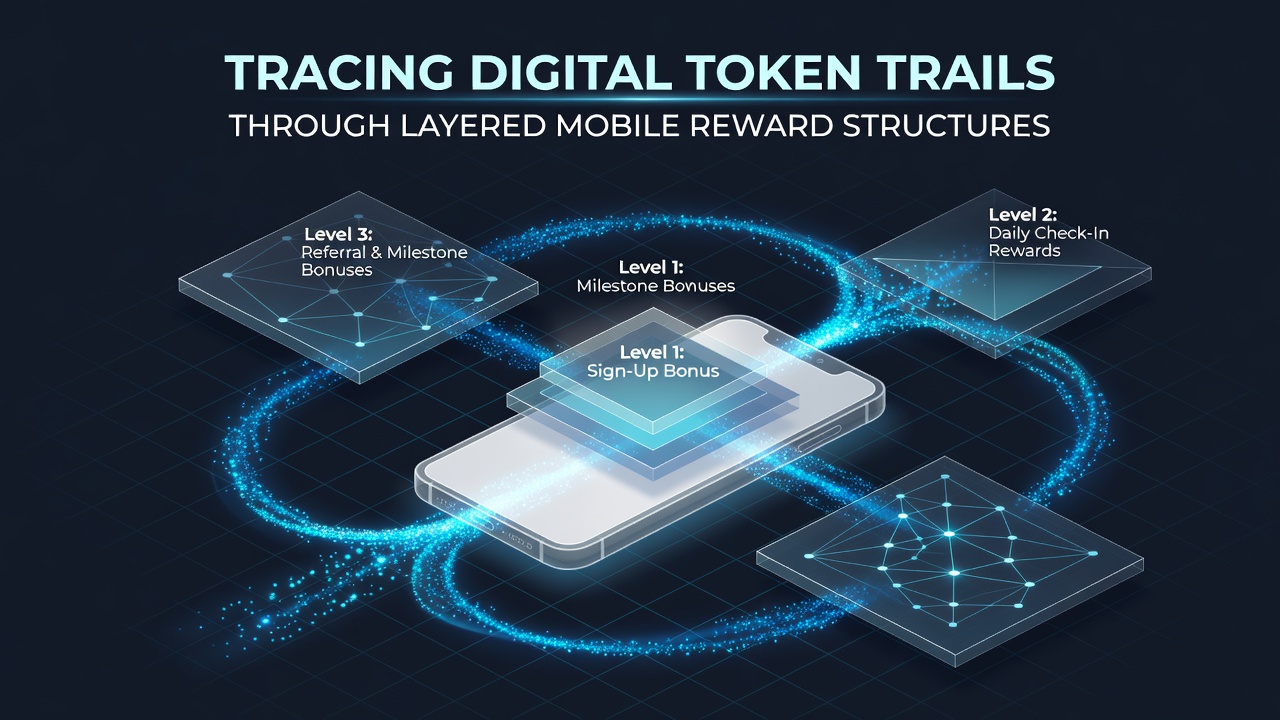
Security researchers have identified cases where incomplete logging at partner integration points created blind spots in the overall trail, and remediation typically involves adding mandatory callback endpoints that confirm successful receipt of each token batch. These callbacks generate secondary records that auditors later reconcile against primary issuance logs, closing gaps that previously allowed discrepancies to remain undetected for months.
Analytical Tools and Data Reconstruction Methods
Forensic platforms now ingest raw log files from multiple sources and apply graph-based algorithms that map token identifiers as nodes and transactions as edges, and the resulting visualizations highlight clusters of activity that correspond to promotional campaigns or coordinated redemption events. One study released by a European research consortium in April 2026 demonstrated that such graph analysis recovered complete token histories in 94 percent of test cases even when up to 30 percent of intermediary logs were missing or corrupted.
Real-time monitoring services offered by several analytics vendors flag anomalies such as sudden spikes in token velocity or repeated transfers between the same pair of accounts, and operators receive alerts that prompt manual review before automated settlement occurs. These systems rely on threshold rules derived from historical datasets rather than subjective judgment, which maintains consistency across different regulatory environments.
Conclusion
Tracing digital token trails through layered mobile reward structures depends on consistent logging practices, standardized data formats, and cross-entity cooperation that together produce verifiable records of every issuance, transfer, and redemption event. As platforms continue to expand partner networks and introduce new reward tiers, the volume of traceable data grows accordingly, and regulatory frameworks established by mid-2026 provide the baseline requirements that operators must meet to maintain transparency and accountability across jurisdictions.