Tracing Player Journey Maps Across Integrated Reward Structures in Mobile-First Wagering Applications
Tina Vogel · Jun 5, 2026
Tracing Player Journey Maps Across Integrated Reward Structures in Mobile-First Wagering Applications
Operators in mobile-first wagering environments track user progression through detailed journey maps that connect initial registration with ongoing engagement across slots, sports betting, and table games. These maps record touchpoints such as deposit patterns, game selection sequences, and session durations, then align them with reward triggers embedded in unified loyalty systems. Data from platforms operating in multiple jurisdictions shows that integrated structures allow points earned in one vertical to convert directly into benefits in another, reducing friction and extending play cycles.
Defining Player Journey Maps in Digital Wagering
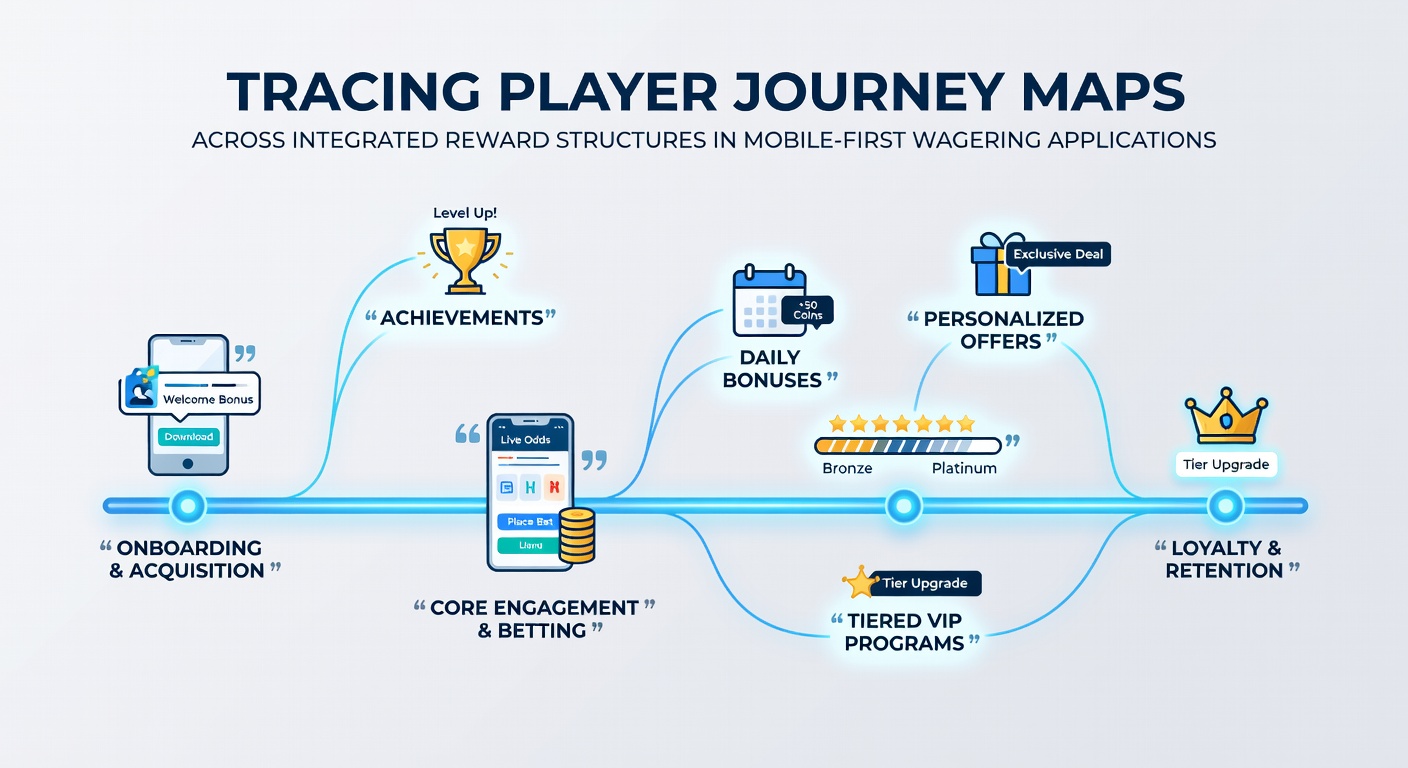
Player journey maps function as chronological diagrams that outline every interaction a user completes within an application. Researchers at institutions studying digital entertainment have documented how these maps break down into stages beginning with acquisition through app store downloads or affiliate links, moving through activation via first deposits, and extending into retention phases driven by personalized offers. In June 2026 several North American operators updated their mapping tools to incorporate real-time location data from mobile devices, enabling adjustments to reward delivery based on user proximity to physical venues or time-of-day preferences.
Analysts note that maps also capture exit points where users abandon sessions, allowing teams to insert targeted incentives such as free spins or enhanced odds before departure occurs. This approach relies on event-based triggers rather than static schedules, and figures released by the Nevada Gaming Control Board indicate that operators employing dynamic mapping recorded higher average revenue per user during the first half of 2026 compared with those using legacy segmentation methods.
Integrated Reward Structures and Cross-Vertical Tracking
Reward systems in contemporary mobile wagering applications merge loyalty currencies across product categories so that a sports bet placed during a live event generates points redeemable for slot bonuses or cashback on table games. Backend architectures connect these elements through centralized player accounts that update balances instantly, eliminating separate wallets for each game type. Observers at industry conferences have reported that this integration requires standardized data schemas so that a wager on a basketball game registers identically to a spin on a video slot within the same loyalty ledger.
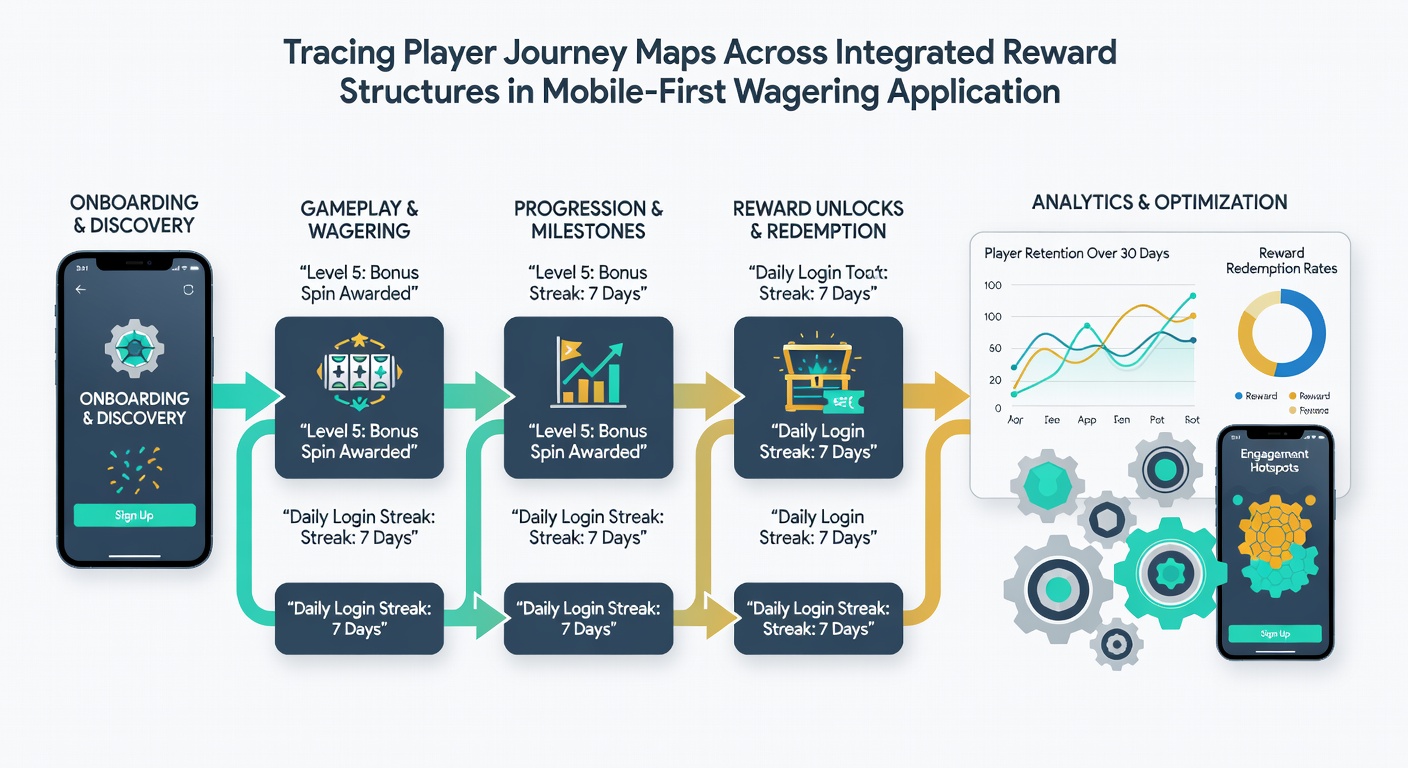
Platforms achieve this by assigning universal identifiers to every action, then routing those identifiers through application programming interfaces that feed a single analytics engine. When a user completes a deposit, the system evaluates historical behavior captured in the journey map and assigns tier status or multiplier bonuses accordingly. Evidence from operators active in Ontario and Nevada demonstrates that unified ledgers reduce administrative overhead while increasing the frequency of reward redemptions across verticals.
Technical Implementation Across Mobile Ecosystems
Development teams embed journey-mapping logic directly into mobile software development kits, collecting anonymized telemetry on screen views, button taps, and navigation paths. Cloud-based processing clusters then correlate these signals with reward eligibility rules stored in secure databases. Because most wagering activity now occurs on smartphones rather than desktop browsers, the architecture prioritizes low-latency synchronization so that a bonus earned on one device appears immediately on another when the user switches hardware.
Security protocols encrypt journey data during transmission, and compliance teams review access logs to meet requirements set by regional authorities. The Alcohol and Gaming Commission of Ontario has published guidelines requiring operators to maintain audit trails of how reward decisions link back to specific user actions, ensuring transparency in automated systems. Mobile applications released after March 2026 increasingly include user-facing dashboards that display simplified versions of these maps, allowing players to view their own progression and upcoming reward milestones.
Regulatory and Data Considerations in Mid-2026
Jurisdictions continue to refine rules governing data collection within integrated reward environments. In June 2026 regulators in several U.S. states began requiring quarterly submissions of aggregated journey-map summaries that demonstrate how reward structures influence responsible play limits. These submissions exclude personally identifiable information yet provide macro-level insights into session lengths and deposit frequency across demographic segments.
Industry associations have responded by developing voluntary standards for data portability, enabling users to export their journey histories when switching between licensed applications. Such standards reduce lock-in effects while supporting competitive markets. Operators that adopted these practices early reported smoother licensing renewals and fewer compliance queries from oversight bodies.
Conclusion
Tracing player journeys across integrated reward structures supplies operators with granular visibility into how users move through mobile wagering applications. The combination of chronological mapping, cross-vertical point systems, and real-time analytics creates feedback loops that adjust offers based on observed behavior. As regulatory frameworks evolve through 2026, the emphasis remains on secure data handling and transparent reward mechanics that align with jurisdictional expectations. Continued refinement of these systems will depend on consistent technical standards and measured regulatory oversight.